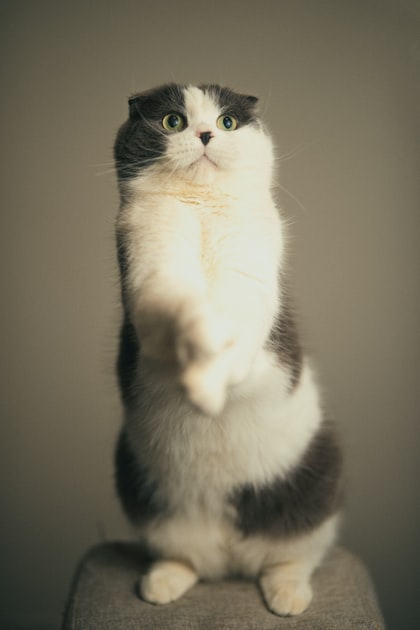
Your cat is eating normally, drinking water, and acting relatively fine. But when you clean the litter box, you realize something’s wrong. There’s no stool, or perhaps just tiny, hard pellets. A day passes, then two, and still no normal bowel movements. Your cat seems slightly uncomfortable, maybe spending time in the litter box without producing anything, or straining with little result.
Constipation in cats means infrequent, difficult, or absent defecation. While missing one day might not be alarming, going two or more days without passing stool indicates a real problem. What makes this situation tricky is that constipated cats often continue eating and drinking normally in the early stages, giving the false impression that everything is fine.
The danger with constipation is that it can progress from uncomfortable to life-threatening surprisingly quickly. Mild constipation becomes severe impaction, which can turn into a condition called megacolon where the colon stretches and loses function permanently. By the time cats stop eating or show obvious distress, the situation has often become serious.
Understanding what causes constipation, recognizing the warning signs that indicate it’s becoming an emergency, and knowing what you can safely try at home versus when you need immediate veterinary intervention can prevent your cat from reaching the crisis point.
Understanding Normal vs. Abnormal Bowel Movements
Before identifying problems, you need to know what’s normal for cats.
Normal cat bowel movements:
- Frequency: Once or twice daily for most cats
- Consistency: Formed but not rock-hard, holds shape but isn’t dry and crumbly
- Size: Proportional to food intake, typically 2 to 4 inches long
- Appearance: Dark brown, relatively smooth surface
- Effort: Passes easily without straining
Constipation looks different:
- Small, hard, dry pellets (like rabbit droppings)
- Passing stool less frequently than normal baseline
- No stool for 48 hours or more
- Straining in the litter box with no results or minimal results
- Stool that’s unusually firm or appears rock-hard
- Sometimes blood or mucus coating hard stool
- Crying or vocalizing while attempting to defecate
The key is knowing your individual cat’s normal pattern. Some healthy cats naturally defecate every other day. If that’s normal for your cat and she’s been doing it for years, it’s not constipation. But if your cat who normally goes daily suddenly goes three days without stool, that’s significant.
What Causes Constipation in Cats
Multiple factors can trigger or contribute to constipation. Often, several causes combine to create the problem.
Dehydration
Inadequate water intake is one of the most common causes of constipation. When the body is dehydrated, the colon extracts extra water from stool to compensate. This creates dry, hard feces that’s difficult to pass.
Cats have naturally low thirst drive because they evolved from desert animals who got most of their water from prey. Cats eating primarily dry food often don’t drink enough to compensate for the lack of moisture in their diet.
Dehydration also results from:
- Kidney disease
- Diabetes
- Hyperthyroidism
- Vomiting or diarrhea from other causes
- Simply not drinking enough water
Senior cats with kidney disease are particularly prone to dehydration-related constipation.
Hairballs and Ingested Hair
Hair accumulates in the digestive tract from normal grooming. Usually, hair passes through in the stool without problems. However, excessive hair or hair that clumps together can create obstructions or at minimum slow intestinal transit and contribute to constipation.
Long-haired cats, cats who groom excessively due to stress or skin allergies, and cats during heavy shedding seasons face higher risk of hair-related constipation.
The hair mixes with stool and creates large, dry, hard masses that are difficult to pass.
Obesity and Lack of Exercise
Overweight cats have sluggish digestive systems. Physical activity stimulates intestinal motility, helping move stool through the colon. Sedentary cats have slower gut transit, giving the colon more time to extract water from stool.
Obesity also makes the posturing required for defecation more difficult and uncomfortable, potentially causing cats to avoid the litter box or not fully empty their bowels.
Pain or Discomfort
Cats experiencing pain when defecating will avoid it, creating a cycle where stool backs up, becomes harder, and hurts even more to pass.
Pain sources include:
- Arthritis (getting into the litter box position hurts)
- Anal gland problems (impacted or infected anal glands cause pain around the rectum)
- Previous rectal or pelvic injuries
- Perianal wounds or abscesses
- Lower back pain
Cats in pain might approach the litter box but leave without attempting to defecate, or strain briefly then give up because it hurts too much.
Megacolon
Megacolon is a condition where the colon becomes stretched and loses its ability to contract effectively. The enlarged, weakened colon can’t propel stool normally, leading to chronic severe constipation.
Megacolon can be:
- Idiopathic (unknown cause, most common)
- Secondary to chronic constipation (repeated impaction stretches the colon permanently)
- Result of nerve damage to the colon
- Consequence of pelvic injuries that narrow the pelvic canal
Cats with megacolon have recurring severe constipation that becomes progressively harder to manage.
Pelvic Injuries or Abnormalities
Old fractures of the pelvis can heal in a position that narrows the pelvic canal. Stool must pass through this narrowed space, making constipation more likely.
Healed pelvic fractures are particularly common in cats who were hit by cars earlier in life. The owners might not even know about the old injury, but X-rays reveal the narrowed pelvis creating a mechanical obstruction.
Neurological Problems
Nerve damage affecting the colon or rectum impairs the normal contractions that move stool and the sensations that trigger defecation.
Neurological causes include:
- Spinal cord injuries
- Nerve damage from pelvic trauma
- Manx cats and breeds with tail abnormalities (sometimes have associated nerve defects)
- Tumors affecting nerves
- Certain toxins
Cats with neurological problems might not feel the urge to defecate normally or can’t coordinate the muscles required for defecation.
Intestinal Obstructions
Complete or partial blockages prevent normal stool passage. Obstructions can be caused by:
- Foreign objects (string, fabric, small toys)
- Tumors or masses in the intestines
- Strictures (scarring that narrows the intestine)
- Intussusception (intestine telescoping into itself)
With partial obstructions, some stool might pass initially, then nothing as the blockage worsens.
Medications
Certain medications slow intestinal motility or have constipation as a side effect:
- Opioid pain medications
- Some antihistamines
- Certain anti-diarrheal medications
- Iron supplements
- Some medications for urinary problems
If constipation started shortly after beginning a new medication, the drug might be responsible.
Dietary Factors
Diet significantly affects stool consistency and transit time.
Factors promoting constipation:
- Exclusively dry food (low moisture content)
- Low-fiber diet
- Food too high in bone meal or calcium
- Sudden diet changes
- Eating non-food items
Environmental Stress
Stress affects gut motility. Cats under significant stress sometimes become constipated as their digestive systems slow down.
Stressors include:
- Moving to a new home
- New pets or people in the household
- Changes in routine
- Litter box issues (dirty box, new litter, box in wrong location)
Some cats avoid the litter box due to stress, holding stool longer than healthy and creating constipation.
Recognizing Severity Levels
Understanding whether your cat has mild, moderate, or severe constipation helps determine urgency.
Mild Constipation
- No bowel movement for 2 to 3 days
- Still eating and drinking normally
- Minimal signs of discomfort
- May pass small, hard pellets
- Acting relatively normal otherwise
- Spending slightly more time in the litter box than usual
Mild constipation often responds to home remedies and dietary changes.
Moderate Constipation
- No bowel movement for 3 to 4 days
- Decreased appetite
- Obvious straining in the litter box
- Crying or vocalizing when attempting to defecate
- Abdominal discomfort (tense when you touch the belly)
- Less active than normal
- Mild lethargy
Moderate constipation requires veterinary evaluation within 24 hours.
Severe Constipation/Obstipation
- No bowel movement for 5 or more days
- Not eating
- Vomiting
- Severe lethargy or weakness
- Obvious abdominal pain
- Straining violently with no results
- Sometimes bloody or mucus-covered discharge
- Dehydration signs (tacky gums, skin tents when lifted)
This is an emergency requiring immediate veterinary care.
What You Can Try at Home
For mild constipation in a cat who is still eating and acting relatively normal, you can try some home remedies for 24 hours before seeking veterinary care.
Increase Water Intake
Getting more fluids into your cat is the single most important home intervention.
Ways to increase water consumption:
- Provide multiple water bowls throughout the house
- Use water fountains (many cats drink more from moving water)
- Add water or low-sodium chicken broth to food
- Offer ice cubes for cats who like to lick them
- Feed wet food instead of or in addition to dry food
- Try different bowl materials (some cats prefer glass or ceramic to plastic)
Even a small increase in hydration can soften stool and help it pass.
Canned Pumpkin
Plain canned pumpkin (not pie filling, which contains sugar and spices) is high in fiber and moisture, making it effective for mild constipation.
How to use pumpkin:
- Give 1 to 2 teaspoons mixed into food
- Start with smaller amounts and increase gradually
- Use once or twice daily
- Most cats tolerate the taste mixed with their regular food
Pumpkin adds bulk and moisture to stool, helping it pass more easily.
Switch to Wet Food
If your cat eats exclusively dry food, switching to wet food dramatically increases moisture intake.
Wet food benefits:
- Contains 70 to 80% water versus 10% in dry food
- Softer texture is easier on the digestive system
- Many cats find it more palatable
- Can mix in supplements or medications more easily
Even partial conversion (adding wet food to the diet) helps.
Add Fiber
Fiber supplements can help mild constipation, though they work best when combined with adequate hydration.
Fiber options:
- Psyllium fiber supplements (unflavored Metamucil)
- Wheat bran added to food
- Canned pumpkin (also provides fiber)
- Prescription high-fiber cat foods
Start with small amounts and increase gradually to avoid gas and cramping.
Petroleum Jelly Based Hairball Remedies
Hairball remedies lubricate the digestive tract and help hair pass through.
How to use:
- Give a 1 to 2 inch ribbon of product
- Apply to your cat’s paw so she licks it off
- Give once or twice daily
- Most products are flavored and cats tolerate them well
These work best for hairball-related constipation.
Encourage Exercise
Gentle play and movement stimulate intestinal motility.
Activity ideas:
- Interactive play with toys
- Laser pointer play (always let them “catch” something at the end)
- Feather wands or string toys
- Encouraging gentle climbing
Even 10 to 15 minutes of activity helps get things moving.
Gentle Abdominal Massage
Very gentle massage might help stimulate bowel movements.
How to massage:
- Place your hand flat on your cat’s belly
- Make gentle circular motions clockwise
- Apply minimal pressure
- Stop if your cat shows any discomfort
Never massage forcefully or if your cat’s abdomen feels tense, hard, or painful.
Monitor the Litter Box Closely
Track every litter box visit and document what happens:
- How often is your cat going to the box?
- Is she straining?
- Is any stool being produced, even small amounts?
- What does the stool look like?
This information is valuable if you end up needing veterinary care.
What NOT to Do
Some common home remedies are dangerous for constipated cats.
Never give human laxatives unless specifically prescribed by your veterinarian. Many human laxatives are toxic to cats or cause dangerous electrolyte imbalances.
Don’t give mineral oil orally. If aspirated into the lungs (which happens easily), mineral oil causes severe pneumonia.
Don’t give enemas at home without veterinary guidance. Improper enemas can cause serious injury.
Don’t wait indefinitely hoping the problem resolves. If home remedies don’t produce results within 24 hours, or if your cat’s condition worsens at all, get veterinary care.
Don’t force-feed large amounts of fiber without increasing water intake. Fiber without adequate hydration can worsen constipation.
When to Seek Veterinary Care
Constipation can become life-threatening if it progresses to obstipation (complete inability to pass stool).
Seek emergency veterinary care immediately if:
- Your cat hasn’t pooped in 5 or more days
- She’s vomiting
- She’s stopped eating entirely
- Her abdomen feels hard, distended, or painful
- She’s straining violently and crying
- She seems weak or collapse
- Her gums are pale or tacky
- She’s producing bloody discharge
Schedule same-day or next-day care if:
- No bowel movement for 3 to 4 days
- Home remedies haven’t worked after 24 hours
- Your cat is only producing tiny, hard pellets
- She’s obviously uncomfortable
- Appetite has decreased
- She seems lethargic
- She has a history of constipation problems
Schedule a routine appointment if:
- Constipation happens occasionally but responds to home care
- You want to discuss prevention strategies
- Your cat is senior or has conditions that increase constipation risk
- You want guidance on appropriate diet
Don’t underestimate constipation. What seems like a minor inconvenience can rapidly become a serious emergency.
Veterinary Treatment
Your veterinarian has several treatment options depending on severity.
Physical Examination and History
Your vet will:
- Palpate the abdomen feeling for impacted stool
- Perform a rectal exam checking for obstructions, masses, or narrowing
- Assess hydration status
- Take a detailed history about diet, litter box habits, and any other symptoms
Diagnostic Tests
X-rays (radiographs) show:
- How much stool is backed up
- Pelvic abnormalities or narrowing
- Megacolon
- Sometimes foreign objects or masses
Bloodwork checks:
- Kidney function (kidney disease causes dehydration)
- Electrolyte levels
- Thyroid function
- Overall organ health
Urinalysis assesses hydration and kidney function.
Manual Deobstipation
For severe impaction, manual removal of stool is sometimes necessary:
- Your cat is sedated or anesthetized
- The vet carefully breaks up and removes impacted stool manually
- This is uncomfortable and requires sedation for humane treatment
- Multiple sessions might be needed for severe cases
Enemas
Therapeutic enemas soften and flush out impacted stool:
- Warm water or special veterinary solutions
- Administered gently with appropriate equipment
- Usually requires sedation
- Sometimes multiple enemas are needed
Medications
Stool softeners:
- Lactulose (draws water into the colon)
- Docusate sodium
- Given orally
Motility drugs:
- Cisapride (stimulates intestinal contractions)
- Metoclopramide
- Help the colon move stool more effectively
Pain medication if discomfort is significant.
Fluid Therapy
Subcutaneous or intravenous fluids correct dehydration and help soften stool.
Surgery
For severe megacolon or recurrent severe constipation that doesn’t respond to medical management:
Subtotal colectomy removes most of the colon:
- Reserved for severe, intractable cases
- Most cats do well post-surgery
- They produce softer stool long-term (colon normally absorbs water)
- Quality of life often improves dramatically
Surgery is a last resort but very effective when needed.
Long-Term Management
Cats who’ve been constipated once are at higher risk of recurrence. Prevention strategies are essential.
Dietary Changes
High moisture diet:
- Feed primarily or exclusively wet food
- Add water to dry food if you must feed it
- Some cats benefit from raw or home-cooked diets (consult your vet)
Appropriate fiber levels:
- Some cats need high-fiber diets
- Others do better on low-residue diets
- Your vet helps determine what’s right for your cat
Prescription diets:
- Royal Canin Gastrointestinal High Fiber
- Hill’s w/d
- Purina Pro Plan OM (overweight management, also high fiber)
Maintaining Hydration
- Always provide fresh, clean water
- Multiple water sources
- Water fountains
- Adding water to food
- Subcutaneous fluids at home for cats with chronic dehydration (your vet teaches you how)
Weight Management
If your cat is overweight:
- Gradual, controlled weight loss (no more than 1 to 2% of body weight weekly)
- Increased activity
- Measured portions
- Weight loss improves gut motility and makes defecation easier
Medications for Chronic Cases
Some cats need ongoing medication:
- Lactulose or other stool softeners
- Motility drugs
- Doses adjusted based on response
Hairball Control
For cats with hair-related constipation:
- Regular brushing (daily during shedding seasons)
- Hairball prevention diets
- Hairball remedies 1 to 2 times weekly
- Sometimes prescription diets that improve hair passage
Litter Box Management
Ensure the litter box isn’t contributing to the problem:
- Keep boxes scrupulously clean
- Provide one box per cat plus one extra
- Use large boxes (especially for large or arthritic cats)
- Low-sided boxes for senior cats
- Boxes in easily accessible locations
Managing Underlying Conditions
If kidney disease, arthritis, or other conditions contribute to constipation, treating those conditions helps prevent recurrence.
Regular Monitoring
Watch for early warning signs:
- Track litter box habits
- Note stool consistency and frequency
- Weigh your cat monthly
- Report changes to your vet promptly
Catching constipation early, before it becomes severe, makes treatment much easier.
Frequently Asked Questions
How long can a cat go without pooping before it’s dangerous?
Most healthy cats should defecate at least once every 48 hours. Going 3 to 4 days without stool is concerning and warrants veterinary evaluation. Five or more days without defecation is a medical emergency. However, these are guidelines; a cat who normally poops twice daily and suddenly hasn’t gone in 48 hours needs attention sooner than a cat who naturally goes every other day and is now at day three.
Can I give my cat milk to help with constipation?
No, don’t give milk. Many cats are lactose intolerant, and milk will likely cause diarrhea and stomach upset rather than solving constipation. The diarrhea that results is just liquid passing around the hard impacted stool, not actually resolving the constipation. Stick to water, wet food, or veterinarian-approved remedies like canned pumpkin or psyllium.
My cat is straining in the litter box. Is it constipation or a urinary blockage?
This distinction is critical because urinary blockage is a life-threatening emergency, especially in male cats. Constipated cats strain in a squatting position typically used for defecation, often at the back of the litter box. Cats with urinary problems strain in a more hunched position, often at the front of the box, and might cry out in pain. Check the litter box carefully: if there’s no urine clumps, assume urinary blockage and get emergency care immediately. When in doubt, always treat as a potential urinary emergency.
Will constipation resolve on its own without treatment?
Mild constipation sometimes resolves with home interventions like increased water intake and dietary changes. However, moderate to severe constipation rarely resolves without veterinary treatment and typically worsens over time. The longer stool sits in the colon, the more water is absorbed, making it harder and more difficult to pass. This creates a worsening cycle. Don’t wait hoping it will resolve; address constipation early for the best outcomes.
Why does my elderly cat keep getting constipated?
Senior cats face multiple risk factors for constipation: kidney disease causing dehydration, arthritis making it painful to get into position to defecate, decreased activity levels slowing gut motility, and sometimes megacolon or other chronic conditions. Older cats often need ongoing management including high-moisture diets, regular subcutaneous fluids, pain management for arthritis, and sometimes daily medications. Work with your vet to develop a long-term prevention plan tailored to your cat’s specific situation.
Can hairballs cause constipation?
Yes, excessive hair in the digestive tract contributes to constipation. The hair mixes with stool and can create large, dry, hard masses that are difficult to pass. Long-haired cats, cats with excessive shedding, and cats who groom obsessively due to stress or allergies are most at risk. Regular brushing, hairball prevention diets or treats, and addressing underlying causes of excessive grooming help prevent hair-related constipation.
Is pumpkin or fiber always good for constipated cats?
Not always. Fiber works best for mild constipation and when combined with adequate hydration. However, adding fiber without enough water intake can actually worsen constipation. Additionally, some cats with certain types of constipation do better on low-residue diets rather than high-fiber. Your veterinarian should guide dietary recommendations based on your cat’s specific situation, underlying causes, and how she responds to treatment.
My cat was treated for constipation but it keeps coming back. What’s wrong?
Recurring constipation indicates an underlying cause that hasn’t been addressed. Common culprits include: chronic dehydration (especially from kidney disease), megacolon, pelvic narrowing from old injuries, inadequate diet, obesity, or insufficient long-term management strategies. Your cat needs thorough diagnostic workup including X-rays, bloodwork to check kidney function, and careful assessment of all contributing factors. Long-term prevention requires addressing root causes, not just treating each episode as it occurs.