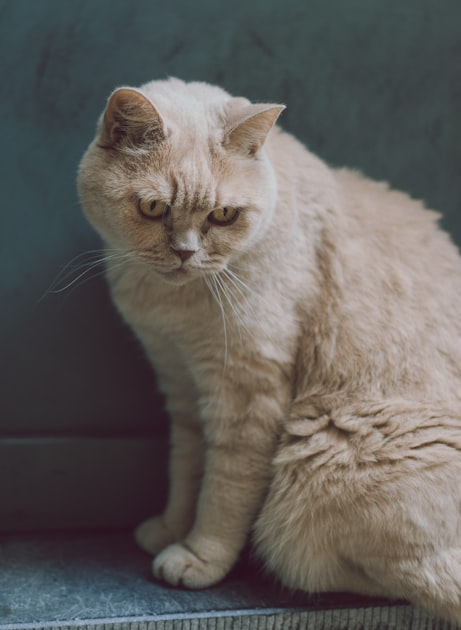
You walk into the kitchen to fill your cat’s food bowl, but notice yesterday’s portion sits untouched. Your stomach tightens with worry. Yet when you check on your cat, she’s curled up in her favorite sunny spot, purring contentedly. She seems completely fine, just not interested in eating.
This confusing situation happens more often than you might think. A cat that refuses food but shows no other signs of illness can leave you wondering whether to rush to the vet or wait it out. The answer depends on several factors, and understanding what’s happening can help you make the right decision for your cat’s health.
In this guide, we’ll walk through the seven most common reasons cats stop eating while appearing otherwise normal, what you can try at home, and the specific warning signs that mean it’s time to see your veterinarian.
What “Not Eating But Acting Normal” Actually Looks Like
Before we dive into causes, it helps to understand what veterinarians mean when they talk about a cat that’s not eating but otherwise healthy.
Your cat is likely in this category if she:
- Sniffs or approaches her food but walks away without eating
- Shows interest in treats or human food but ignores her regular meals
- Maintains her normal energy level and playfulness
- Uses the litter box normally
- Grooms herself as usual
- Seeks attention and affection like always
- Has no visible signs of distress, pain, or discomfort
The key distinction here is time. A cat that skips one or two meals but remains active and alert presents a very different situation than a cat that hasn’t eaten for three days, even if both appear “normal” at first glance.
Cats can be incredibly stoic about hiding illness. In the wild, showing weakness makes them vulnerable to predators, so they’ve evolved to mask symptoms until a problem becomes severe. This means what looks “normal” to us might actually be your cat working hard to appear healthy despite feeling unwell.
Seven Common Causes When Cats Won’t Eat But Seem Fine
1. Food Preference Changes
Cats develop strong preferences for specific textures, temperatures, and flavors. What they loved last month might suddenly become unacceptable.
This happens because cats have fewer taste buds than humans and rely heavily on smell to determine if food is appealing. If a manufacturer slightly changes their formula, or if you switched brands, your cat might reject the “new” food even though you see no difference.
Temperature matters too. Many cats prefer food at room temperature or slightly warm, mimicking freshly caught prey. Food straight from the refrigerator might get completely ignored.
Some cats also become bored with the same meal day after day. While dogs typically eat anything placed in front of them, cats can be remarkably particular about variety.
2. Stress or Environmental Changes
Cats are creatures of habit, and even small disruptions to their routine can suppress their appetite temporarily.
Common stressors include:
- A new person or pet in the household
- Furniture rearrangement or home renovations
- Loud noises like construction or fireworks
- A change in your work schedule
- Moving the food bowl to a different location
- A new bowl or feeding station
The appetite usually returns once your cat adjusts to the change, typically within 24 to 48 hours. During this adjustment period, your cat might act completely normal in every other way because she’s not sick, just uncomfortable with the change.
3. Dental Problems in Early Stages
Dental disease often progresses gradually. In the early stages, your cat might experience mild discomfort that makes eating less appealing, but not enough pain to change her behavior noticeably.
Watch for these subtle signs:
- Chewing on one side of the mouth
- Dropping food while eating
- Taking longer to finish meals
- Preferring soft food over dry kibble
- Slight hesitation before biting into food
Bad breath is often the first detectable sign of dental problems. If your cat’s breath smells worse than usual, dental issues could explain the appetite loss even if she’s acting normally otherwise.
Cats are particularly skilled at hiding dental pain. A cat with a painful tooth might still play, jump, and purr normally, only showing her discomfort by avoiding her food bowl.
4. Recent Vaccination Side Effects
If your cat stopped eating within 24 to 48 hours after a vet visit, vaccine side effects might be responsible.
Mild vaccine reactions commonly include:
- Temporary appetite loss
- Low energy or increased sleeping
- Mild fever
- Soreness at the injection site
These side effects typically resolve within one to two days without treatment. Your cat might feel slightly under the weather but not sick enough to show obvious signs of illness. She’ll likely resume eating once the mild inflammation from the vaccine subsides.
This is one of the few times when waiting to see if appetite returns on its own is usually the right approach, assuming your cat received vaccinations recently and has no other concerning symptoms.
5. Hairballs or Mild Digestive Upset
A developing hairball or minor stomach irritation can make cats feel too full or slightly nauseous to eat, even though they appear fine on the outside.
Long-haired cats and fastidious groomers are particularly prone to this issue. Hair accumulates in the stomach, creating a sensation of fullness that suppresses appetite. Your cat might skip several meals before finally coughing up the hairball and resuming normal eating.
Similarly, if your cat got into something she shouldn’t have (a houseplant, a small piece of string, unfamiliar human food), mild nausea might discourage eating for a day or two while her system works through the problem.
Watch for:
- Gagging or retching without producing a hairball
- Slightly hunched posture after meals
- More frequent grooming than usual
- Constipation or smaller than normal stools
6. Weather and Seasonal Changes
Hot weather naturally suppresses appetite in cats. Their ancestors came from desert climates, but domestic cats still reduce food intake during heat waves to avoid generating extra body heat through digestion.
If temperatures recently spiked and your cat has access to plenty of fresh water, decreased appetite might simply be her body’s way of staying cool. She’ll likely eat smaller portions or wait until cooler evening hours to eat.
Seasonal changes can affect appetite too. Some cats eat less in spring and summer when days are longer, and more in fall and winter when they need extra calories for warmth.
This cause is more likely if:
- The temperature recently increased significantly
- Your cat is drinking normal amounts of water
- She’s more lethargic during the day but perks up in the evening
- The appetite change coincides with a weather pattern
7. Age-Related Appetite Fluctuations
Senior cats often experience fluctuating appetites without underlying disease. Their metabolism slows down, they become less active, and they simply need fewer calories.
Older cats might also lose some sense of smell, making food less appealing even though they’re not technically sick. Kidney function naturally declines with age, sometimes causing mild nausea that comes and goes.
If you have a cat over 10 years old, mild appetite variations might be normal for her age. However, this requires closer monitoring than in younger cats because seniors have less resilience and can deteriorate quickly if they stop eating entirely.
What You Can Try at Home
If your cat has missed one or two meals but seems otherwise healthy, these strategies often restore appetite:
Warm the food slightly. Heating wet food for 10 to 15 seconds in the microwave (stir well and test temperature) releases aromas that stimulate appetite. Never serve food hot, just slightly warm to the touch.
Offer something more tempting. Try a small amount of plain cooked chicken, tuna packed in water (not oil), or a different flavor of food. If your cat eats the special treat, you know she’s capable of eating and the issue is likely food preference.
Add flavor enhancers. A small amount of low-sodium chicken broth, bonito flakes, or the liquid from a can of tuna can make regular food more appealing. Use these as toppers, not replacements for complete nutrition.
Reduce stress. If you recently changed something in your cat’s environment, try to restore the previous routine. Move the food bowl back to its original location, create a quiet feeding area away from loud appliances, or feed your cat in a separate room if new pets are causing tension.
Check food freshness. Dry food can go stale, and wet food develops an unappealing smell if left out too long. Open a fresh bag or can, and make sure the food hasn’t passed its expiration date.
Try different textures. If your cat normally eats dry food, offer wet. If she eats pate style wet food, try chunks in gravy. Some cats develop strong texture preferences that change over time.
Hand feed or use your finger. Sometimes cats need a reminder that food is appealing. Dip your finger in wet food or place a few pieces of dry food in your palm and offer it directly. This can trigger the eating response.
Create a feeding routine. Cats feel more secure with predictable schedules. Feed at the same times each day in the same location, and remove uneaten food after 20 to 30 minutes.
Address dental discomfort. If you suspect dental issues, switch to soft food temporarily while you arrange a vet visit. Never give pain medication without veterinary guidance, as many human pain relievers are toxic to cats.
Monitor, don’t force. Never force-feed a cat or use techniques like scruffing to make her eat. This creates negative associations with food and increases stress, making the problem worse.
When to See the Vet
While a cat that misses one or two meals but acts normal often resolves without intervention, certain situations require professional evaluation.
Call your veterinarian immediately if:
- Your cat hasn’t eaten anything for 48 hours or longer
- She’s also not drinking water or drinking significantly less than normal
- You notice yellowing of the skin, gums, or whites of the eyes (jaundice)
- She becomes lethargic or significantly less active
- She starts hiding, which is different from her normal behavior
- Vomiting or diarrhea develops
- You see any signs of pain (hunched posture, reluctance to move, aggression when touched)
- She has a known health condition like diabetes or kidney disease
Schedule a vet visit within 24 to 48 hours if:
- Your cat skips meals for more than 24 hours without improvement
- She’ll eat treats but completely refuses regular food
- You notice changes in litter box habits (more or less urination, straining, blood)
- Her gums appear pale instead of healthy pink
- She has bad breath or visible dental problems
- She’s a senior cat (over 10 years old)
- She’s lost noticeable weight recently
- This is a recurring problem that happens frequently
Why prompt action matters: Cats that don’t eat develop a serious condition called hepatic lipidosis (fatty liver disease) much faster than other animals. This happens when the body breaks down fat stores for energy, and the liver becomes overwhelmed processing that fat.
Hepatic lipidosis can develop within 48 to 72 hours in an overweight cat that stops eating. Even healthy-weight cats face this risk after several days without food. This condition requires aggressive veterinary treatment and can be life-threatening if not caught early.
Prevention Tips for Future Appetite Problems
Once your cat’s appetite returns to normal, these strategies can help prevent future episodes:
Maintain consistent routine. Feed at the same times daily, keep the food bowl in the same location, and minimize changes to your cat’s environment when possible.
Provide dental care. Regular teeth brushing (if your cat tolerates it), dental treats, and annual veterinary dental exams prevent painful tooth problems that discourage eating.
Manage hairballs. Brush your cat regularly, especially during shedding seasons. Consider hairball-prevention food or supplements if hairballs are a recurring issue.
Keep food fresh. Store dry food in an airtight container, buy quantities you’ll use within 4 to 6 weeks, and don’t leave wet food out for more than 30 minutes at room temperature.
Offer variety occasionally. While cats need consistency, rotating between two or three acceptable food flavors prevents boredom and ensures your cat won’t refuse food if you need to change brands suddenly.
Monitor weight and body condition. Weigh your cat monthly at home or during regular vet visits. Weight loss often happens gradually and can indicate developing health problems before other symptoms appear.
Schedule regular vet checkups. Annual wellness exams for young cats and twice-yearly exams for seniors catch problems early, before they affect appetite and overall health.
Reduce environmental stress. Provide hiding spots, vertical spaces, and separate resources (food, water, litter boxes) if you have multiple cats. Stress reduction supports overall health and stable appetite.
Making the Decision
A cat that skips a meal or two but maintains her normal personality, energy, and behavior usually doesn’t need emergency intervention. Cats are individuals, and occasional appetite fluctuations can be normal responses to minor changes or discomfort.
However, cats also hide illness instinctively. What appears as a minor appetite quirk might signal the early stages of a health problem. The key is knowing what to watch for and understanding that when it comes to cats and food, sooner is always better than later.
Trust your instincts. You know your cat’s normal behavior better than anyone. If something feels off, even if you can’t identify exactly what’s wrong, it’s worth a veterinary consultation. A quick checkup provides peace of mind and catches problems before they become emergencies.
Ready to take action? Download our free Cat Symptom Checker to help you decide whether your cat’s appetite loss requires immediate attention or can be safely monitored at home. This simple flowchart walks you through the decision-making process step by step, so you’ll know exactly what to do when your cat’s behavior changes.