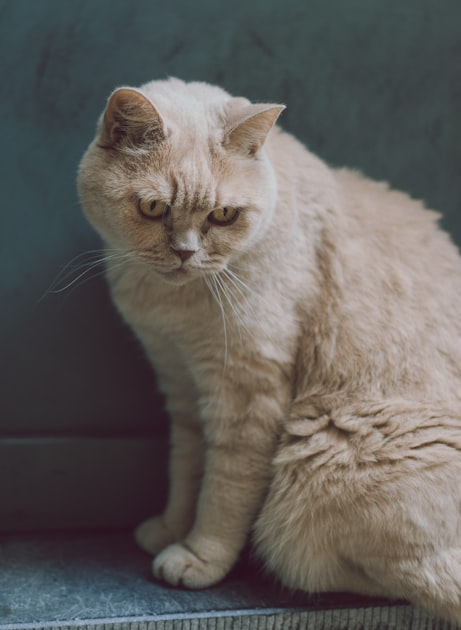
Your cat keeps shaking her head like she’s trying to dislodge something. She tilts her head to one side, scratches at her ear with her back paw, and shakes again. You look inside her ear but can’t see anything obviously wrong. The behavior continues throughout the day, and now you’re wondering what’s causing it and whether it requires immediate attention.
Head shaking in cats almost always indicates ear discomfort. Unlike dogs who might shake their heads casually after a nap or bath, cats rarely shake their heads without cause. When the behavior becomes frequent or persistent, something is irritating the ear canal, causing pain, or creating an uncomfortable sensation your cat is trying to resolve.
The two most common causes of head shaking in cats are ear mites and ear infections. Both create irritation that drives the shaking behavior, but they require different treatments and have different urgency levels. Other less common causes include foreign objects, polyps, allergies, and tumors.
Understanding how to distinguish between these causes, recognizing when head shaking signals an emergency, and knowing what you can safely assess at home helps you respond appropriately and get your cat the right treatment quickly.
What Normal vs. Abnormal Head Shaking Looks Like
First, let’s distinguish between occasional normal head shaking and concerning patterns.
Normal, occasional head shaking includes:
- A quick shake after grooming or waking up
- Shaking once or twice after getting something near the ears
- Very infrequent shaking with no pattern
- Shaking that doesn’t include scratching, pawing, or other ear-related behaviors
Abnormal head shaking that needs attention:
- Frequent, repeated shaking throughout the day
- Violent or aggressive head shaking
- Head shaking accompanied by scratching at the ears
- Tilting or holding the head to one side
- Shaking that persists for more than a day or two
- Head shaking plus visible ear discharge
- Shaking accompanied by loss of balance or disorientation
- Pawing at the ears along with shaking
The frequency and intensity matter significantly. A cat who shakes her head once every few hours presents differently than one shaking every few minutes or violently flinging her head side to side repeatedly.
Ear Mites: The Most Common Culprit
Ear mites are tiny parasites that live in the ear canal and feed on skin debris and ear wax. They’re extremely common, especially in kittens, outdoor cats, and cats from shelters or multi-cat environments.
What Ear Mites Are and How They Spread
Otodectes cynotis is the scientific name for the ear mite species affecting cats. These microscopic eight-legged parasites are barely visible to the naked eye but create enormous discomfort.
Ear mites spread through direct contact. Cats living together, mothers and kittens, or cats who’ve been in close quarters with infected cats typically contract mites this way. The mites can survive off the host for short periods, so contaminated bedding or grooming tools can also spread them, though this is less common.
The entire life cycle takes about three weeks, from egg to adult mite. During this time, mites reproduce prolifically, creating infestations that cause progressive irritation.
Symptoms of Ear Mites
Ear mite infestations create a characteristic cluster of symptoms:
Head shaking and ear scratching are the primary behaviors. The mites crawling in the ear canal create intense itching that drives constant scratching and shaking. Cats with ear mites often scratch so vigorously they create wounds on their ears or the skin around them.
Dark, crumbly discharge is the hallmark sign of ear mites. The discharge looks like dark brown or black coffee grounds inside the ear canal. This material is a mixture of ear wax, blood, inflammatory debris, and mite waste products.
Strong odor often accompanies ear mite infestations. The ears smell musty or yeasty, different from the normal faint smell of healthy ears.
Visible irritation includes redness and inflammation inside the ear. The ear canal looks angry and inflamed rather than pale pink and clean.
Both ears affected is typical with ear mites. While severity might vary between ears, mites usually infest both ears because they easily migrate from one side to the other.
Secondary wounds develop from constant scratching. You might see scabs, hair loss, or raw areas on the ears and around the head from your cat’s frantic scratching attempts.
Who Gets Ear Mites
While any cat can contract ear mites, certain groups face higher risk:
Kittens are the most commonly affected group. Kittens often contract mites from their mothers and have less developed immune responses to control the infestation.
Outdoor cats have more exposure to infected cats and contaminated environments.
Shelter or rescue cats often arrive with ear mites due to crowded conditions and contact with multiple cats.
Multi-cat households see spread between cats once one is infected.
Cats with weakened immune systems might develop worse infestations or have trouble clearing mites.
Healthy adult indoor-only cats who’ve never had ear mites rarely develop them spontaneously. If your adult indoor cat suddenly has ear mites, consider whether she had contact with another animal recently.
Ear Infections: Bacterial and Yeast
Ear infections cause inflammation and discharge that create the same head shaking behavior as mites, but the underlying cause and treatment differ completely.
Types of Ear Infections
Bacterial infections develop when bacteria overgrow in the ear canal. Normal ear flora kept in check by healthy ear defenses can proliferate when something disrupts that balance.
Common bacteria causing ear infections include:
- Staphylococcus species
- Streptococcus species
- Pseudomonas aeruginosa
- E. coli
Yeast infections involve overgrowth of Malassezia, a yeast organism that lives in small numbers in normal ears but multiplies excessively under certain conditions.
Mixed infections involving both bacteria and yeast are common, especially in chronic ear problems.
What Causes Ear Infections
Unlike ear mites which are contracted from other animals, ear infections usually develop due to underlying factors that create an environment favoring microbial overgrowth:
Allergies are the most common underlying cause of recurrent ear infections in cats. Food allergies or environmental allergies create inflammation in the ear canal that disrupts normal defenses and allows bacteria or yeast to overgrow.
Ear mites themselves can cause secondary bacterial infections. The inflammation and trauma from mite infestation create conditions perfect for bacterial overgrowth.
Foreign material in the ear (grass seeds, plant awns, dirt) creates irritation and inflammation that leads to infection.
Polyps or masses in the ear canal interfere with normal ear cleaning mechanisms and create pockets where infections develop.
Moisture trapped in the ear canal from bathing or swimming creates an environment favoring yeast and bacterial growth.
Immune system problems prevent normal control of ear microorganisms, allowing overgrowth and infection.
Symptoms of Ear Infections
Ear infections present similarly to ear mites but with some distinguishing features:
Head shaking and scratching occur just as with mites. Your cat is uncomfortable and trying to resolve the irritation.
Discharge appearance differs from ear mites. Bacterial infections often produce yellow, green, or white pus-like discharge. Yeast infections create brown waxy discharge that’s less crumbly than mite debris. The discharge might be moist rather than dry and crumbly.
Odor is often stronger with infections than with mites. Yeast infections smell distinctly sweet or musty. Bacterial infections can smell particularly foul, with a rotten or putrid odor.
Swelling and heat are more prominent with infections. The ear canal might be noticeably swollen, and the ear flap feels warmer than usual.
One ear affected is more common with infections than mites. While both ears can be infected, often one is worse or only one is involved, especially if a foreign object or polyp triggered the infection.
Pain is more obvious with infections. Cats with ear infections often pull away when you touch their ears, vocalize when the area is handled, or show aggression during examination.
Systemic symptoms can accompany severe infections. Your cat might have decreased appetite, lethargy, or mild fever with serious ear infections.
Distinguishing Ear Mites from Infections
While there’s overlap in symptoms, certain characteristics help differentiate the two:
Favors ear mites:
- Both ears equally affected
- Dry, dark, crumbly “coffee ground” discharge
- Common in kittens or recently adopted cats
- Recent contact with other cats
- Multiple cats in the household showing similar symptoms
- Less pain on examination
- Relatively milder odor
Favors infection:
- One ear more severely affected
- Moist, yellow, green, or white discharge
- Worse odor (especially foul-smelling)
- More painful on examination
- Adult cat with no recent exposure to other cats
- History of allergies or previous ear problems
- Swelling and heat in the affected ear
Could be either:
- Brown waxy discharge (yeast infection resembles mite debris)
- Head shaking and scratching
- Visible redness and inflammation
- Both ears affected (infections can be bilateral)
The only definitive way to distinguish them is through veterinary examination. Your vet examines discharge under a microscope, where mites are visible moving around, while bacteria and yeast have characteristic appearances.
Other Causes of Head Shaking
While mites and infections account for most cases, other conditions also cause head shaking.
Foreign Objects
Grass seeds, plant material, or other debris can lodge in the ear canal, creating intense irritation.
Foreign object symptoms:
- Sudden onset of head shaking, often after outdoor time
- Usually only one ear affected
- Very violent head shaking
- Obvious distress and discomfort
- Tilting head dramatically to the affected side
- Sometimes visible debris at the ear opening
Foreign objects require prompt removal. They work their way deeper into the canal with time and can puncture the eardrum.
Nasopharyngeal Polyps
These benign growths develop in young cats and can extend into the ear canal from the back of the throat.
Polyp symptoms:
- Gradual onset over weeks to months
- Recurrent ear infections in the same ear
- Sometimes noisy breathing or snoring
- May see a pink mass in the ear canal
- Head shaking plus respiratory symptoms
Polyps require surgical removal.
Allergic Ear Disease
Allergies create inflammation without infection or mites. The allergic response itself causes itching and discomfort.
Allergic ear symptoms:
- Red, inflamed ears with minimal discharge
- Itching that comes and goes or worsens seasonally
- Often accompanied by skin itching elsewhere on the body
- Both ears affected
- Recurrent problems after treating infections
Allergies require long-term management of the underlying condition.
Aural Hematoma
Violent head shaking or scratching can rupture blood vessels in the ear flap, creating a blood-filled swelling called an aural hematoma.
This appears as:
- Sudden swelling of the ear flap
- The ear feels like a fluid-filled balloon
- Usually one ear affected
- Develops after vigorous head shaking from another cause
Hematomas need veterinary treatment, often surgical drainage.
Tumors or Masses
Rarely, tumors in the ear canal cause irritation and head shaking.
Tumor indicators:
- Progressive worsening over weeks to months
- Usually one ear affected
- Often affects older cats
- May see masses or abnormal tissue in the ear
- Recurrent infections despite treatment
Neurological Problems
Inner ear infections or vestibular disease affect balance and create head tilting with shaking.
Neurological symptoms:
- Head tilt that persists
- Loss of balance or walking in circles
- Abnormal eye movements (nystagmus)
- Nausea or vomiting from dizziness
- Falling to one side
This requires immediate veterinary care.
What You Can Do at Home
When your cat starts shaking her head frequently, you can perform initial assessment before the vet visit.
Examine the Ears Carefully
Look at both ears in good light:
- Check the visible part of the ear canal (don’t probe deeply)
- Look for discharge, noting color and texture
- Check for redness, swelling, or visible irritation
- Look for wounds or scabs from scratching
- Note any odor
- Compare both ears
Be gentle. If your cat shows pain or aggression during examination, stop and leave it for the veterinarian.
Document What You See
Take photos or videos:
- The ear canal showing any discharge or inflammation
- The head shaking behavior
- Any scratching or pawing at ears
- Note the frequency of head shaking over several hours
This information helps your veterinarian assess the problem.
Check for Other Symptoms
Look for additional signs:
- Is your cat eating normally?
- Is she more lethargic than usual?
- Are there skin problems elsewhere on the body?
- Is she tilting her head consistently to one side?
- Do you see loss of balance or coordination?
- Are other pets in the household showing similar symptoms?
What Not to Do
Don’t attempt these home remedies:
- Don’t put any liquids, oils, or medications in the ear without veterinary instruction
- Don’t probe deeply into the ear canal with cotton swabs or other objects
- Don’t assume over-the-counter ear mite medication will solve the problem (might worsen infections)
- Don’t delay care hoping it resolves on its own
Ear problems rarely resolve without treatment and usually worsen over time.
When to Seek Veterinary Care
Most head shaking warrants veterinary evaluation, though urgency varies.
Schedule an appointment within a few days if:
- Head shaking has persisted for more than 24 to 48 hours
- Your cat is scratching at her ears frequently
- You see discharge or notice odor from the ears
- The ear canal looks red or inflamed
- Your cat seems uncomfortable but is otherwise acting normally
Seek same-day care if:
- Head shaking is violent or constant
- Your cat seems in significant pain
- The ear flap suddenly swells (hematoma)
- You see a foreign object in the ear canal
- Discharge is bloody
- Your cat has decreased appetite or seems unwell
Emergency care is needed if:
- Your cat is tilting her head and losing balance
- She’s circling, falling, or can’t walk normally
- Her eyes are moving abnormally (rapid jerking movements)
- She seems disoriented or confused
- She’s vomiting from apparent dizziness
Don’t wait weeks with persistent head shaking. Untreated ear problems cause increasing damage and become harder to resolve over time.
Veterinary Diagnosis
Your veterinarian uses several methods to diagnose the cause of head shaking.
Examination Process
Visual examination: Using an otoscope, your vet examines deep into the ear canal checking for inflammation, discharge, foreign objects, masses, or eardrum damage.
Discharge examination: A sample of ear discharge is examined under the microscope. Mites are visible as moving white specks. Bacteria and yeast have characteristic appearances. This is the definitive diagnostic method.
Culture and sensitivity: For severe or recurrent infections, discharge can be cultured to identify specific bacteria and determine which antibiotics will work best.
Imaging: For suspected polyps, tumors, or deep infections, X-rays, CT scans, or MRI might be needed.
Common Findings
Mite infestations show:
- Live mites visible on microscopic examination
- Characteristic dark debris
- Usually both ears affected
- Relatively intact ear canal structure
Infections show:
- Bacteria or yeast visible microscopically
- Inflamed, sometimes ulcerated ear canal
- Various types of discharge depending on the organism
- Sometimes one ear worse than the other
Treatment Approaches
Treatment depends entirely on the diagnosis.
Treating Ear Mites
Ear cleaning: The ears are thoroughly cleaned to remove debris and mites. This is often done at the veterinary clinic initially.
Topical medication: Ear drops containing miticides are applied directly to the ear canal. Treatment typically lasts 7 to 14 days.
Systemic medications: Options include:
- Selamectin (Revolution) applied topically to the skin
- Other flea/tick preventatives that also kill mites
- These are often preferred because they’re easier to administer than ear drops
Treating all contact animals: Every cat and dog in the household needs treatment even if not showing symptoms, as mites spread easily.
Environmental cleaning: Wash bedding and clean areas where your cat spends time, though environmental decontamination is less critical than treating all animals.
Follow-up: A recheck exam ensures mites are eliminated. Some treatments require repeat application after 2 to 3 weeks to kill newly hatched mites.
Treating Infections
Ear cleaning: Professional cleaning removes discharge and debris. Your vet might teach you to continue cleaning at home.
Topical antibiotics or antifungals: Ear drops or ointments containing appropriate medication for the specific organism found.
For bacterial infections:
- Antibiotic ear drops (various types depending on the bacteria)
- Treatment typically lasts 10 to 14 days
For yeast infections:
- Antifungal medications
- Treatment often lasts 2 to 3 weeks
Oral medications: Severe infections sometimes require oral antibiotics or antifungals in addition to topical treatment.
Anti-inflammatory medications: Corticosteroids reduce inflammation and discomfort while treating the infection.
Pain management: Severe infections might need pain medication.
Addressing underlying causes: If allergies triggered the infection, they need long-term management to prevent recurrence.
Treating Other Causes
Foreign objects: Removal under sedation or anesthesia if necessary.
Polyps: Surgical removal, sometimes requiring referral to a specialist.
Hematomas: Drainage and sometimes surgical correction to prevent permanent ear deformity.
Allergies: Long-term management with diet changes, allergy medications, or immunotherapy.
Tumors: Removal if possible, sometimes requiring specialized surgery.
Home Care During Treatment
Once treatment begins, you’ll need to care for your cat’s ears at home.
Administering Ear Medications
Giving ear drops or ointment:
- Gently restrain your cat
- Hold the ear flap up
- Squeeze the prescribed amount into the ear canal
- Massage the base of the ear to distribute medication
- Allow your cat to shake her head (this distributes medication deeper)
- Wipe away excess that shakes out
Make it positive:
- Give treats after each treatment
- Keep sessions calm and gentle
- If your cat becomes aggressive, ask your vet about alternatives
Preventing Scratching Damage
Your cat will continue scratching during early treatment while ears are still uncomfortable.
Options to prevent self-injury:
- Elizabethan collar (cone) prevents access to ears
- Soft nail caps can reduce damage from scratching
- Keep nails trimmed short
- Distract with play or treats when you see scratching starting
Monitoring Progress
Watch for improvement:
- Decreased head shaking frequency
- Less scratching at ears
- Reduced discharge
- Less odor
- Improved comfort level
Contact your vet if:
- Symptoms worsen despite treatment
- New symptoms develop
- No improvement after several days of treatment
- Your cat won’t allow medication administration
Preventing Recurrence
Once the current problem is resolved, prevention strategies reduce the chance of recurrence.
For preventing mites:
- Keep cats indoors
- Quarantine and treat new cats before introducing them to resident cats
- Use monthly parasite prevention that includes mite coverage
- Maintain good general hygiene
For preventing infections:
- Address underlying allergies
- Keep ears dry after bathing
- Regular ear checks to catch problems early
- Manage chronic health conditions
- Maintain healthy immune function through good nutrition
General ear health:
- Check ears weekly during grooming
- Learn what your cat’s normal ears look like
- Clean ears only when necessary with veterinarian-approved products
- Avoid excessive cleaning which disrupts normal ear defenses
- Address head shaking promptly before problems become severe
Long-Term Outlook
Ear mites typically clear completely with proper treatment and don’t recur unless your cat is exposed to infected animals again. Prognosis is excellent.
Bacterial or yeast infections usually resolve with appropriate treatment. However, if underlying causes like allergies aren’t addressed, infections tend to recur. Chronic ear disease requires ongoing management.
Foreign objects resolve completely once removed with no lasting effects.
Polyps are cured with surgical removal, though recurrence is possible.
Allergic ear disease requires long-term management. The ears might improve with treatment but flare up periodically throughout your cat’s life.
Most cats with ear problems respond well to treatment and return to normal comfort levels. The key is prompt treatment and addressing any underlying causes.
Frequently Asked Questions
How can I tell if my cat has ear mites or an infection without going to the vet?
You can’t definitively distinguish between them at home. While ear mites typically produce dry, dark, crumbly discharge and infections often produce moist, colored discharge, there’s significant overlap in symptoms. Yeast infections can look remarkably similar to ear mites. The only reliable way to differentiate them is microscopic examination of ear debris by a veterinarian. Treating for the wrong condition delays proper treatment and allows problems to worsen.
Can I use over-the-counter ear mite medication from the pet store?
It’s not recommended without veterinary diagnosis. If your cat actually has an infection rather than mites, ear mite medication won’t help and might worsen the condition. Additionally, some over-the-counter products are less effective than prescription treatments and might not eliminate mites completely, leading to recurring problems. Get proper diagnosis first, then use the most effective treatment.
Will ear mites go away on their own without treatment?
No, ear mites don’t resolve without treatment. The infestation will persist and often worsen over time as mites reproduce. Your cat will continue to be uncomfortable, and severe untreated infestations can lead to secondary bacterial infections, ear canal damage, and potentially ruptured eardrums. Treatment is necessary and fortunately very effective at eliminating mites completely.
My cat keeps getting ear infections. What’s causing this?
Recurrent ear infections almost always have an underlying cause, most commonly allergies (food allergies or environmental allergies). Other possibilities include ear polyps, chronic foreign material exposure, immune system problems, or anatomical abnormalities. Your veterinarian needs to investigate underlying causes rather than just treating each infection as it occurs. Identifying and managing the root cause is essential for preventing future infections.
How long does it take for ear problems to resolve with treatment?
Ear mites typically clear within 2 to 3 weeks with proper treatment. Simple bacterial infections usually improve within 7 to 10 days, though complete resolution takes 2 to 3 weeks. Yeast infections often take 3 to 4 weeks to fully resolve. However, head shaking and scratching should decrease noticeably within the first few days of treatment. If you see no improvement after 3 to 4 days, contact your veterinarian.
Can ear problems spread to other cats in my household?
Ear mites are contagious and spread easily between cats in close contact. All cats in the household should be treated even if only one shows symptoms. Bacterial and yeast infections are not contagious between cats, as they result from overgrowth of organisms already present or from underlying individual factors like allergies. However, if an environmental factor is causing problems (like moisture or allergens), multiple cats might develop issues independently.
Why does my cat’s ear smell bad even after cleaning?
Strong persistent odor despite cleaning suggests active infection (bacterial or yeast) that needs medical treatment, not just cleaning. Cleaning removes surface discharge but doesn’t eliminate the underlying infection. You need veterinary-prescribed medication to kill the bacteria or yeast causing the smell. Additionally, make sure you’re not over-cleaning, as excessive cleaning can damage the ear’s natural defenses and actually worsen problems.
My cat won’t let me put anything in her ears. What can I do?
Some cats resist ear medication intensely. Options include: asking your vet about systemic medications that don’t require ear application (like certain anti-parasitic medications for mites), learning proper restraint techniques from your vet, using medications that require less frequent application, or having your vet demonstrate tips for easier administration. In severe cases, your vet might treat the ears in the clinic initially until your cat is more comfortable and cooperative.