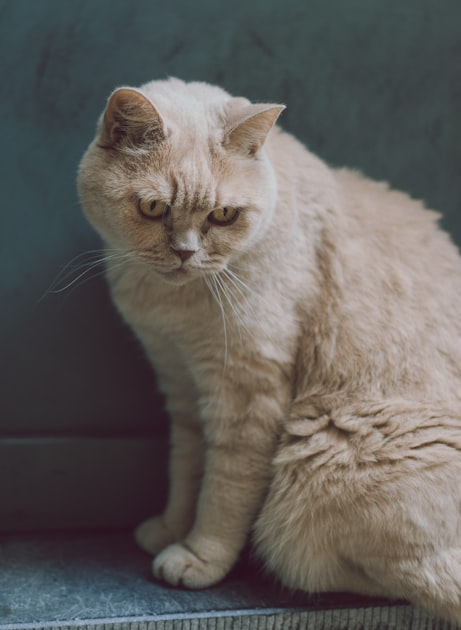
You’re petting your cat when you notice something wet on your hand. Looking closer, you see saliva dripping from her mouth, hanging in strands from her chin, or pooling on the floor where she’s been sitting. Your cat has never drooled before, but now it’s happening consistently. She might be pawing at her mouth, having difficulty eating, or acting uncomfortable.
Drooling, medically called ptyalism or hypersalivation, is never normal in cats. Unlike dogs who drool when excited, hot, or anxious, healthy cats almost never drool. When sudden drooling appears in a cat, something is wrong. The drooling itself is a symptom telling you that your cat is experiencing nausea, mouth pain, or exposure to something toxic.
Dental disease is the most common cause of sudden drooling in cats, particularly in middle-aged to senior cats who’ve never had dental care. However, other serious conditions including toxin exposure, oral tumors, kidney disease, and foreign objects also cause drooling. Distinguishing between these causes and understanding which situations represent medical emergencies can literally save your cat’s life.
This guide walks through the most common and most serious causes of sudden drooling, how to identify which cause is affecting your cat, what you can safely assess at home, and when drooling requires immediate emergency care.
What Normal vs. Abnormal Drooling Looks Like
First, let’s establish what we mean by abnormal drooling.
Normal situations where minimal drooling might occur:
- Very briefly when being given unpleasant medication
- Momentarily when extremely stressed (like at the vet)
- A tiny amount right before vomiting
- Sometimes when purring intensely and kneading (very rare, usually a lifelong pattern)
These situations involve minimal drooling that stops immediately when the trigger ends.
Abnormal drooling that signals problems:
- Excessive saliva production creating visible wetness around the mouth
- Saliva hanging in strands from the mouth or chin
- Wet fur on the chest and front legs
- Puddles of saliva where the cat has been sitting
- Drooling that continues for more than a few minutes
- Drooling that starts suddenly when your cat has never drooled before
- Thick, ropy, or discolored saliva
- Drooling accompanied by other symptoms
The key factors are sudden onset, persistence, and volume. A cat who never drooled before and is now drooling continuously has a problem requiring attention.
Dental Disease: The Most Common Cause
Dental disease is by far the most frequent cause of sudden drooling in cats, particularly in cats over three years old who’ve never had professional dental care.
How Dental Disease Causes Drooling
Painful conditions in the mouth trigger excessive saliva production. The pain and inflammation stimulate salivary glands, and swallowing becomes uncomfortable, so saliva accumulates and drips from the mouth rather than being swallowed normally.
Types of Dental Disease
Periodontal disease involves infection and inflammation of the gums and structures supporting the teeth. Bacteria accumulate in plaque and tartar, creating infection that spreads beneath the gum line. The infected, inflamed gums are painful and trigger drooling.
Periodontal disease progresses through stages:
- Gingivitis (inflamed, red gums)
- Early periodontitis (gums beginning to recede)
- Established periodontitis (bone loss, loose teeth)
- Advanced periodontitis (severe bone loss, tooth loss)
Tooth root abscesses develop when bacteria reach the root of a tooth, creating a pocket of infection. Abscesses are extremely painful and cause dramatic drooling.
The infected tooth might look normal from the outside, but X-rays reveal the abscess at the root. Sometimes abscesses rupture, creating a draining tract that appears as a swelling below the eye or a wound that won’t heal.
Tooth resorption is a painful condition unique to cats where the tooth structure breaks down and is absorbed. Essentially, holes form in the teeth, exposing sensitive nerve tissue.
Tooth resorption is extremely common in cats over five years old. The cause isn’t fully understood, but it creates significant pain. Affected teeth often need extraction.
Stomatitis is severe inflammation throughout the mouth, often involving the gums, tongue, and throat. The entire mouth becomes red, inflamed, and intensely painful.
Stomatitis has immune-mediated components and sometimes links to viral infections. It’s one of the most painful oral conditions cats experience.
Oral foreign objects like string wrapped around teeth, plant material stuck between teeth, or splinters embedded in gums cause localized pain and drooling.
Symptoms of Dental Disease Beyond Drooling
Dental disease rarely causes drooling in isolation. Look for additional signs:
Bad breath is one of the earliest signs. The odor ranges from mildly unpleasant to genuinely foul and rotten-smelling. This comes from bacterial infection.
Difficulty eating or changes in eating behavior:
- Approaching food bowl but hesitating
- Dropping food while eating
- Chewing on one side of the mouth
- Preferring soft food over dry kibble
- Taking longer to finish meals
- Eating less than normal
Pawing at the mouth or rubbing the face on objects indicates oral pain.
Visible dental problems:
- Red, swollen gums
- Brown or yellow tartar buildup on teeth
- Missing teeth
- Broken or chipped teeth
- Bleeding from the mouth
Behavioral changes:
- Irritability or aggression when touched near the face
- Decreased grooming
- Weight loss over time
- Less playful or interactive
Blood-tinged saliva sometimes mixes with drool when gums are severely infected.
Toxin Exposure: The Emergency Cause
Certain toxic substances cause immediate excessive drooling. This is a medical emergency requiring immediate care.
Common Toxins Causing Drooling
Household cleaners and chemicals:
- Bleach
- Detergents
- Disinfectants
- Concentrated cleaning products
Cats walk through spills, then groom their paws and ingest the chemicals. The caustic substances irritate or burn the mouth and esophagus.
Plants: Many common houseplants and outdoor plants are toxic to cats:
- Lilies (extremely toxic, cause drooling plus kidney failure)
- Dieffenbachia (dumb cane)
- Philodendron
- Pothos
- Sago palm
- Azaleas
- Tulips
- Many others
Plant toxicity ranges from mild mouth irritation to life-threatening systemic effects.
Medications:
- Topical flea treatments meant for dogs (especially those containing permethrin)
- Human medications accidentally ingested
- Overdose of cat medications
Insecticides and rodenticides:
- Bug sprays
- Ant baits
- Rat poison
- Garden pesticides
Spoiled food or garbage: Bacteria and toxins in spoiled food cause nausea and drooling.
Essential oils: Many essential oils are toxic to cats:
- Tea tree oil
- Eucalyptus
- Citrus oils
- Peppermint
- Many others
Even small exposures through diffusers or topical application cause problems.
Symptoms of Toxin Exposure
Toxin-related drooling typically includes additional serious symptoms:
Immediate symptoms:
- Sudden onset of profuse drooling
- Pawing frantically at the mouth
- Gagging or retching
- Foaming at the mouth
- Visible burns or redness in the mouth
Systemic symptoms:
- Vomiting
- Diarrhea
- Weakness or collapse
- Tremors or seizures
- Difficulty breathing
- Abnormal pupil sizes
- Confusion or disorientation
Progression depends on the toxin:
- Some cause immediate symptoms
- Others have delayed effects
- Lily poisoning might not show severe symptoms for 12-24 hours but is still life-threatening
If you suspect toxin exposure, this is always an emergency. Time is critical for treatment success.
Nausea: The Subtle Cause
Nausea from various conditions triggers drooling. The drooling often precedes vomiting or occurs when your cat feels queasy but isn’t actively vomiting.
Conditions Causing Nausea
Kidney disease creates toxin buildup in the bloodstream that causes persistent nausea. Cats with kidney disease often drool, especially in the morning or before meals.
Other kidney disease signs:
- Increased thirst and urination
- Weight loss
- Decreased appetite
- Bad breath (ammonia smell)
- Lethargy
Liver disease causes nausea and sometimes jaundice (yellowing of the gums and whites of eyes) along with drooling.
Pancreatitis involves inflammation of the pancreas creating severe abdominal pain and nausea.
Pancreatitis symptoms:
- Drooling
- Vomiting
- Not eating
- Hunched posture
- Abdominal pain
- Lethargy
Inflammatory bowel disease (IBD) causes chronic digestive upset and nausea.
Hairballs or gastrointestinal obstruction create discomfort and nausea as the body tries to pass the obstruction.
Motion sickness in cats during car rides causes drooling and nausea.
Distinguishing Nausea-Related Drooling
Nausea-related drooling typically:
- Occurs intermittently rather than constantly
- Often precedes vomiting
- May be worse at certain times (morning, after eating)
- Accompanies other signs of feeling unwell
- Might improve temporarily then recur
Oral Foreign Objects
Foreign material stuck in the mouth causes localized irritation, pain, and drooling.
Common Foreign Objects
String or thread wrapped around teeth or the base of the tongue is surprisingly common. Cats play with string, and it becomes lodged in their mouth.
Plant material:
- Grass blades
- Splinters
- Thorns or burrs
- Pieces of sticks
Bone fragments or sharp food pieces can lodge between teeth or embed in gums.
Fishhooks if your cat gets into fishing equipment.
Foreign Object Symptoms
Sudden onset drooling often starts immediately after the object becomes stuck.
Pawing frantically at the mouth is characteristic. Your cat is trying to dislodge the object.
Inability to close the mouth fully if the object prevents jaw closure.
Gagging or retching as your cat tries to remove the object.
Visible string or material hanging from the mouth sometimes, though often the object is hidden in the back of the mouth.
Refusal to eat because the foreign object creates discomfort.
Oral Tumors and Masses
Tumors in the mouth are less common causes of drooling but important to recognize, especially in older cats.
Types of Oral Tumors
Squamous cell carcinoma is the most common oral cancer in cats. It’s aggressive and locally invasive.
Fibrosarcoma develops in the connective tissues of the mouth.
Lymphoma can affect the mouth and throat.
Benign masses like eosinophilic granulomas (inflammatory masses) can also cause drooling.
Tumor Symptoms
Progressive symptoms developing over weeks to months:
- Drooling that gradually worsens
- Bad breath
- Difficulty eating
- Visible mass or asymmetry in the mouth
- Weight loss
- Sometimes bleeding from the mouth
One-sided symptoms often, as tumors typically start on one side of the mouth.
Usually affects older cats (over 10 years), though younger cats can develop oral lymphoma.
Neurological Causes
Rarely, neurological problems affect swallowing and saliva control, causing drooling.
Neurological Conditions
Rabies causes drooling along with behavior changes, aggression, and paralysis. This is extremely rare in vaccinated pet cats but is a serious concern in unvaccinated cats.
Tetanus causes muscle stiffness and difficulty swallowing.
Stroke or brain tumors can affect the nerves controlling swallowing.
Trigeminal nerve disorders paralyze facial muscles, preventing jaw closure and normal swallowing.
Neurological causes typically include other obvious neurological signs beyond just drooling.
What You Can Do at Home
Your response depends on what you suspect is causing the drooling and how severe the symptoms are.
Initial Assessment
First, determine the urgency:
Is this an emergency? (requires immediate care)
- Known or suspected toxin exposure
- Severe distress
- Difficulty breathing
- Seizures, weakness, or collapse
- Profuse drooling with foaming
- Cat seems unable to close her mouth
Is this urgent? (needs care today)
- Moderate drooling that’s persistent
- Cat pawing frantically at mouth
- Refusing to eat
- Visible mouth pain
- Drooling plus vomiting
Can monitor briefly? (can wait until regular veterinary hours)
- Mild drooling that just started
- Cat is otherwise acting normally
- Eating and drinking fine
- No other concerning symptoms
Examine the Mouth Carefully
If your cat tolerates it and the situation isn’t an emergency, look in her mouth:
How to examine:
- Choose a well-lit area
- Gently lift the lips to see teeth and gums
- Look for redness, swelling, tartar, or broken teeth
- Check if you can see any foreign objects
- Note any bad odor
- Be very gentle and stop if your cat becomes aggressive
What to look for:
- Visible tartar or dental disease
- String or foreign material
- Wounds or lesions
- Asymmetry or swelling
- Color of gums (should be pink, not pale, red, or yellow)
Don’t:
- Force your cat if she resists strongly
- Try to remove embedded foreign objects yourself
- Probe deeply into the mouth
- Risk being bitten
Document What You See
Take photos or videos:
- The drooling itself
- Inside the mouth if possible
- Any other symptoms
- Behavior changes
This helps your veterinarian assess the problem.
Keep Your Cat Safe
If toxin exposure is possible:
- Remove access to the suspected toxin
- Don’t induce vomiting unless instructed by a veterinarian or poison control
- Bring the product container or plant sample to the vet
- Call a pet poison helpline immediately
Don’t Give Anything by Mouth
Don’t try to give food, water, or medications until you know what’s causing the drooling. Some conditions make swallowing difficult or dangerous.
Prevent Aspiration
A cat drooling excessively risks inhaling saliva into the lungs. Keep her head elevated if possible and monitor her breathing.
When to Seek Veterinary Care
Emergency care immediately if:
- You know or suspect toxin exposure
- Your cat is drooling profusely with foaming at the mouth
- She’s having difficulty breathing
- She’s weak, collapsed, or having seizures
- Her gums are pale, white, blue, or bright red
- She seems unable to close her mouth or swallow
- She’s in obvious severe distress
Same-day urgent care if:
- Drooling started suddenly and is moderate to severe
- Your cat is pawing frantically at her mouth
- She’s refusing to eat or drink
- You see visible mouth problems (swelling, wounds, foreign objects)
- She seems painful or distressed
- Drooling is accompanied by vomiting
- Bad breath is particularly foul
Schedule appointment within 1-2 days if:
- Mild drooling has persisted for more than 24 hours
- Your cat has known dental disease
- She’s showing subtle eating difficulties
- Bad breath is present
- Drooling is intermittent but recurring
Don’t wait weeks with persistent drooling. Dental disease and other causes worsen without treatment.
Veterinary Diagnosis
Your veterinarian uses several approaches to identify the cause of drooling.
History and Physical Examination
Your vet will ask:
- When did the drooling start?
- Is it constant or intermittent?
- Any possible toxin exposure?
- Changes in eating or behavior?
- Any other symptoms?
Physical exam includes:
- Temperature check
- Overall body condition
- Thorough oral examination
- Palpating the jaw and throat
- Checking for pain or masses
Oral Examination Under Sedation
Thorough mouth examination often requires sedation because:
- Painful mouths don’t tolerate manipulation
- The back of the mouth and throat need examination
- Some problems are only visible with the cat completely relaxed
Under sedation, your vet can:
- Examine every tooth thoroughly
- Check under the tongue
- Look deep into the throat
- Identify foreign objects that might be hidden
- Probe suspected abscesses
Dental X-rays
Dental radiographs show:
- Tooth roots and bone under the gum line
- Abscesses
- Tooth resorption
- Bone loss from periodontal disease
- Foreign objects
Many dental problems aren’t visible on the surface. X-rays reveal the extent of disease.
Bloodwork
Blood tests check:
- Kidney function
- Liver function
- Electrolytes
- Blood sugar
- Signs of infection
- Overall health
This identifies systemic causes like kidney disease or diabetes.
Biopsy
If masses or unusual lesions are present, biopsy samples determine whether they’re cancerous, inflammatory, or infectious.
Treatment Options
Treatment depends entirely on the diagnosis.
For Dental Disease
Professional dental cleaning performed under anesthesia:
- Scaling removes tartar above and below the gum line
- Polishing smooths tooth surfaces
- Dental X-rays identify problems
- Extractions remove diseased or painful teeth
Extractions are often necessary:
- Abscessed teeth
- Severely diseased teeth
- Teeth with resorption
- Loose teeth
Many owners worry about extractions, but cats do remarkably well without teeth. Pain relief after extraction dramatically improves quality of life.
Antibiotics for infections.
Pain medication during recovery.
Home dental care to prevent recurrence:
- Daily tooth brushing if your cat tolerates it
- Dental treats or water additives
- Regular professional cleanings
For Toxin Exposure
Treatment depends on the specific toxin and timing:
Decontamination:
- Induced vomiting if the toxin was recently ingested and safe to vomit
- Activated charcoal to bind toxins
- Bathing to remove topical exposures
Supportive care:
- IV fluids
- Medications to control symptoms
- Monitoring and treatment for organ damage
Specific antidotes when available.
Hospitalization for monitoring and intensive care.
Early treatment is critical. Many toxins cause irreversible damage if treatment is delayed.
For Nausea and Systemic Disease
Anti-nausea medications:
- Maropitant (Cerenia)
- Ondansetron
- Metoclopramide
Treating underlying disease:
- Kidney disease management
- Liver support
- Pancreatitis treatment
- IBD medications
Fluid therapy for dehydration.
Appetite stimulants if not eating.
For Foreign Objects
Removal under sedation or anesthesia:
- String is carefully cut and removed
- Embedded objects are extracted
- The mouth is flushed and cleaned
Post-removal care:
- Antibiotics if infection developed
- Pain medication
- Soft food during healing
Prevention of future incidents.
For Oral Tumors
Surgical removal when possible:
- Wide margins to ensure complete removal
- Sometimes requires removing portions of the jaw
- Not all tumors are operable
Radiation therapy for some tumor types.
Chemotherapy for lymphoma and some other cancers.
Palliative care when cure isn’t possible:
- Pain management
- Nutritional support
- Quality of life focus
Prognosis varies dramatically depending on tumor type and stage.
Preventing Drooling Problems
Dental care:
- Regular professional cleanings starting young
- Home dental care if your cat tolerates it
- Dental-friendly diet and treats
- Annual veterinary exams
Toxin prevention:
- Store all chemicals safely
- Research plants before bringing them home
- Never use dog flea products on cats
- Keep medications out of reach
- Use pet-safe cleaning products
General health:
- Regular veterinary checkups
- Managing chronic diseases
- Healthy diet and weight
- Prompt attention to subtle symptoms
Frequently Asked Questions
My cat suddenly started drooling. Should I go to the emergency vet?
It depends on accompanying symptoms. If drooling is accompanied by severe distress, difficulty breathing, weakness, seizures, or you know she was exposed to toxins, go immediately. If she’s drooling moderately but otherwise seems fairly normal, call your regular vet for same-day guidance. Very mild, brief drooling with no other symptoms can be monitored for a few hours, but if it persists or worsens, seek care.
How can I tell if my cat’s drooling is from dental disease or something more serious?
Dental disease usually develops gradually in cats over three years old who haven’t had dental care. You’ll often notice bad breath, difficulty eating, or pawing at the mouth along with drooling. Sudden, profuse drooling in a cat who was fine an hour ago suggests toxin exposure or acute foreign object. However, you can’t definitively distinguish causes at home. Any persistent drooling needs veterinary evaluation for proper diagnosis.
Can I clean my cat’s teeth at home to stop the drooling?
If drooling is from advanced dental disease, home cleaning won’t solve the problem. Your cat needs professional cleaning under anesthesia to remove tartar below the gum line, treat infections, and extract diseased teeth. Home dental care is excellent for prevention and maintaining health after professional treatment, but it can’t reverse established disease causing drooling. Get veterinary treatment first, then implement home care to prevent recurrence.
My cat drools when I pet her and she purrs. Is this normal?
Some cats do drool slightly when extremely relaxed and content, especially if this has been a lifelong pattern. However, this is relatively rare. If your cat suddenly starts drooling during petting when she never did before, or if the drooling is excessive, have her examined. New-onset drooling, even during purring, can indicate dental disease or other oral pain that she’s trying to mask with purring behavior.
How much do dental extractions cost, and are they really necessary?
Dental procedures typically cost $300 to $1,500 depending on severity, number of extractions needed, and your location. While the cost is significant, extractions are necessary when teeth are diseased, abscessed, or causing pain. Leaving painful teeth in place causes ongoing suffering, prevents proper eating, and allows infection to spread. Cats do remarkably well without teeth and are much more comfortable after extractions than living with dental disease.
What should I do if my cat ate something toxic and is drooling?
Call an emergency vet or pet poison helpline immediately. Time is critical with many toxins. Don’t wait to see if symptoms worsen. Identify what she ate if possible and bring the container or plant sample with you. Don’t induce vomiting unless instructed to do so, as some substances cause more damage coming back up. Get to emergency care as quickly as possible. Many toxins have antidotes or treatments that are most effective when given early.
Can drooling be a sign of rabies?
Drooling is one symptom of rabies, but rabies is extremely rare in vaccinated pet cats who don’t have outdoor exposure to wildlife. Rabies also causes other dramatic symptoms: behavior changes, aggression, paralysis, difficulty swallowing, and fear of water. If your cat is vaccinated and doesn’t have wildlife exposure, rabies is extremely unlikely. However, any cat with sudden neurological symptoms and drooling should be examined by a veterinarian.
Will my cat ever stop drooling if it’s from chronic kidney disease?
Drooling from kidney disease results from nausea caused by toxin buildup. Managing the kidney disease with appropriate diet, medications, fluid therapy, and anti-nausea drugs can significantly reduce or eliminate drooling. However, kidney disease is progressive, so ongoing management is necessary. As the disease advances, drooling might return or worsen despite treatment. Quality of life assessments become important as kidney disease progresses.