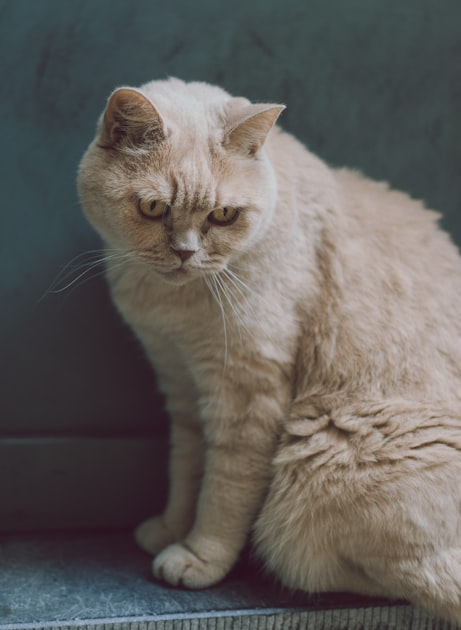
Your cat had loose stool in the litter box this morning. Maybe it’s been happening for a day or two. The stool is softer than normal, possibly watery, but when you check on your cat, she’s playing, eating, and acting completely like herself. She seems perfectly fine aside from the diarrhea.
Diarrhea in cats means loose, unformed, or liquid stool. When a cat has diarrhea but shows no other symptoms and maintains normal energy and appetite, it creates a puzzling situation. The diarrhea tells you something is wrong with the digestive system, but your cat’s normal behavior suggests whatever is wrong isn’t severe or systemic.
The two most common causes of diarrhea in otherwise healthy-acting cats are dietary issues and intestinal parasites. Dietary problems include sudden food changes, food intolerance, eating something inappropriate, or simply eating too much. Parasites like roundworms, hookworms, coccidia, and giardia commonly cause diarrhea without making cats appear sick, especially in the early stages.
Understanding how to distinguish between food-related and parasite-related diarrhea, knowing what you can safely manage at home versus when veterinary care is needed, and recognizing the warning signs that an apparently healthy cat is actually becoming ill helps you respond appropriately.
This guide explains how to identify whether diarrhea is likely from diet or parasites, what each type of diarrhea looks like, when home management is appropriate, and when that normal-acting cat actually needs veterinary attention.
Understanding Diarrhea in Cats
Not all diarrhea is the same. The characteristics provide important diagnostic clues.
Types of Diarrhea
Small intestinal diarrhea:
- Large volumes of stool
- Watery or cow-patty consistency
- Produced 2 to 3 times daily
- Little to no straining
- Sometimes contains undigested food
- May have a particularly foul odor
Small intestinal diarrhea suggests problems in the small intestine where most digestion and nutrient absorption occurs.
Large intestinal diarrhea:
- Smaller volumes of stool
- May contain mucus or fresh blood
- Frequent attempts (5+ times daily)
- Straining and urgency
- Sometimes accidents outside the litter box because of urgency
Large intestinal diarrhea indicates problems in the colon.
Mixed diarrhea: Characteristics of both types, suggesting problems throughout the digestive tract.
Appearance Matters
Color:
- Brown or tan (normal color, just loose)
- Yellow or orange (rapid transit through intestines)
- Green (rapid transit, bile not fully processed)
- Gray or pale (poor fat absorption)
- Black or tar-like (digested blood from upper GI tract)
- Red-tinged (fresh blood from lower intestines)
Consistency:
- Soft but formed
- Cow-patty (soft but holds some shape)
- Liquid or watery
- Contains mucus (looks slimy or jelly-like)
Contents:
- Undigested food pieces
- Hair
- Foreign material
- Visible parasites (rare but possible)
These details help identify causes.
Food-Related Diarrhea
Diet is the most common cause of acute diarrhea in cats who are otherwise acting normal.
Sudden Food Changes
Cats have sensitive digestive systems. Abrupt diet changes disrupt the balance of intestinal bacteria and overwhelm digestive enzymes.
Why it causes diarrhea: The intestinal bacteria in a cat’s gut are adapted to her regular diet. When you suddenly switch foods, beneficial bacteria populations haven’t adjusted to digest the new ingredients. The intestines can’t properly process the food, resulting in loose stools.
Common scenarios:
- Switching brands of cat food overnight
- Running out of regular food and buying something different
- Trying a new flavor or formula
- Going from dry food to wet food suddenly
- Feeding different food at a friend’s house
What it looks like:
- Diarrhea starts within 12 to 48 hours of food change
- Loose, soft stool or mild diarrhea
- Your cat acts completely normal otherwise
- Normal appetite (eating the new food fine)
- Typically resolves in 2 to 3 days
How to prevent: Always transition foods gradually over 7 to 10 days:
- Days 1-3: 75% old food, 25% new food
- Days 4-6: 50% old food, 50% new food
- Days 7-9: 25% old food, 75% new food
- Day 10+: 100% new food
Food Intolerance
Some cats can’t tolerate specific ingredients even in foods they’ve eaten before. This is different from true food allergy (which usually causes skin problems) and more like lactose intolerance in humans.
Common problematic ingredients:
- Dairy products (many cats are lactose intolerant)
- High fat content
- Certain protein sources
- Artificial additives
- Excessive carbohydrates
What it looks like:
- Diarrhea occurs consistently when eating certain foods
- May happen even with foods your cat has eaten before if formulas changed
- Soft to liquid stool
- Sometimes accompanied by gas or stomach gurgling
- Cat otherwise acts fine
- Resolves when the problematic food is removed
Distinguishing from allergies: True food allergies usually cause itchy skin, hair loss, and ear infections along with or instead of digestive symptoms. Simple intolerance primarily affects the GI tract.
Eating Inappropriate Things
Cats sometimes eat things they shouldn’t, causing digestive upset.
Common culprits:
- Human food (especially fatty, spicy, or unfamiliar items)
- Dairy products given as treats
- Too many treats
- Houseplants (some are toxic, others just irritating)
- Drinking from toilets or unusual water sources
- Eating prey (mice, birds) for indoor/outdoor cats
- Getting into garbage
What it looks like:
- Sudden onset diarrhea after eating something unusual
- May contain pieces of whatever was eaten
- Usually resolves within 24 to 48 hours once the item passes through
- Cat acts normal or slightly less energetic
- Mild cases don’t affect appetite
Overeating
Some cats, especially those free-fed or given unlimited food, occasionally overeat and develop diarrhea simply from volume overload.
What it looks like:
- Loose stool after eating large amounts
- Cat is still interested in food (appetite isn’t decreased)
- Otherwise completely normal behavior
- Typically one or two episodes then resolves
- More common in multi-cat households where competition for food occurs
Treats and Table Scraps
Even small amounts of rich or unfamiliar human food can trigger diarrhea in cats with sensitive stomachs.
What it looks like:
- Diarrhea develops 6 to 24 hours after receiving treats or table food
- Loose, possibly foul-smelling stool
- Otherwise normal behavior
- Resolves once the treat is out of the system
Stale or Spoiled Food
Food that’s gone bad, even slightly, contains bacteria that upset the digestive system.
Common scenarios:
- Dry food stored improperly or past expiration
- Wet food left out too long
- Food in a feeder that wasn’t cleaned regularly
What it looks like:
- Diarrhea plus possibly vomiting
- Foul-smelling stool
- May include mild lethargy but cat is still eating
- Improves once fresh food is provided
Parasite-Related Diarrhea
Intestinal parasites are extremely common in cats, particularly kittens, outdoor cats, and those from shelters or multi-cat environments.
Roundworms (Toxocara cati)
Roundworms are the most common intestinal parasite in cats.
How cats get them:
- Kittens from mother’s milk
- Eating infected rodents or birds
- Contact with contaminated soil or feces
- Eating infected cockroaches or beetles
What it looks like:
- Soft stool or mild diarrhea
- Sometimes you can see worms in stool (look like white spaghetti, 2-4 inches long)
- Pot-bellied appearance in kittens
- Dull coat
- Weight loss if infestation is heavy
- Many cats show minimal symptoms initially
Acting normal: Light to moderate roundworm infestations often don’t make cats appear sick. They maintain appetite and activity while having mild diarrhea.
Hookworms (Ancylostoma)
Hookworms attach to the intestinal lining and feed on blood.
How cats get them:
- Penetrating through skin (especially paw pads)
- Ingestion of larvae from contaminated soil
- Mother to kitten transmission
What it looks like:
- Diarrhea that may contain blood (dark or black, tar-like)
- Pale gums if blood loss is significant
- Weight loss
- Weakness (if severe)
- Many cats appear relatively normal with mild infections
Key difference from roundworms: Bloody or dark stool is more common with hookworms due to blood loss in the intestines.
Coccidia
Coccidia are microscopic protozoan parasites common in kittens and cats from crowded environments.
How cats get coccidia:
- Ingesting oocysts (parasite eggs) from contaminated feces, soil, or surfaces
- Extremely common in shelters and catteries
What it looks like:
- Watery diarrhea, often with mucus
- Sometimes blood-tinged
- Strong odor
- Dehydration in severe cases
- Kittens often affected more than adults
- Adult cats may show minimal symptoms and still appear healthy
Important note: Stress (moving to new home, surgery, other illness) can activate dormant coccidia, causing symptoms in previously healthy-appearing cats.
Giardia
Giardia is a protozoan parasite that attaches to the intestinal wall.
How cats get giardia:
- Drinking contaminated water
- Contact with infected feces
- Common in multi-cat households and shelters
What it looks like:
- Watery diarrhea
- Very foul-smelling stool
- Greasy appearance to stool (poor fat absorption)
- Intermittent diarrhea (comes and goes)
- Weight loss with chronic infection
- Many cats act completely normal despite having giardia
Tricky aspect: Giardia can be hard to detect on standard fecal tests. Sometimes multiple tests are needed.
Tapeworms
Tapeworms cause less obvious diarrhea but may be present with other symptoms.
How cats get tapeworms:
- Eating fleas (most common)
- Eating infected rodents
What it looks like:
- Usually don’t cause diarrhea
- You might see rice-like segments in stool or around anus
- Sometimes soft stool or mild digestive upset
- Weight loss in heavy infections
- Most cats act completely normal
Tritrichomonas
This protozoan parasite causes chronic large bowel diarrhea.
What it looks like:
- Chronic diarrhea with mucus
- Sometimes blood
- Foul-smelling
- Frequent defecation with urgency
- Often affects young cats
- Can wax and wane
- Cats usually act otherwise healthy
Why it’s challenging: Requires specific testing to diagnose and can be difficult to treat completely.
Distinguishing Food from Parasites
Several factors help you determine which is more likely.
Timeline
Suggests food-related:
- Diarrhea started after a clear dietary trigger (food change, table scraps, etc.)
- Sudden onset coinciding with diet change
- Improves quickly (within 2-3 days)
Suggests parasites:
- No clear dietary trigger
- Persists beyond 3 to 5 days despite bland diet
- Waxes and wanes over time
- Chronic or recurrent problem
Cat’s History
Suggests food-related:
- Indoor-only cat with no exposure to other animals
- On regular deworming schedule
- Recently changed food or got into something
Suggests parasites:
- New cat or kitten
- Recently adopted from shelter
- Outdoor access
- Caught eating prey
- Multi-cat household with new additions
- Has never been dewormed or not dewormed recently
Appearance of Stool
Suggests food-related:
- Soft or loose but not liquid
- Normal brown color
- No blood or mucus
- Might contain undigested food
Suggests parasites:
- Contains mucus or blood
- Particularly foul smell
- Greasy appearance
- Visible worms or rice-like segments
- Watery consistency
Response to Dietary Management
Suggests food-related:
- Improves within 24 to 48 hours of bland diet
- Resolves when problem food is removed
Suggests parasites:
- Doesn’t improve with dietary management
- Persists despite bland diet
- Continues or worsens over days
Other Symptoms
Suggests food-related:
- Truly no other symptoms
- Normal appetite
- Normal energy
Suggests parasites:
- Weight loss despite good appetite
- Pot-bellied appearance (especially kittens)
- Dull coat
- Vomiting
- Visible parasites in vomit or stool
What You Can Do at Home
For mild diarrhea in a cat who’s truly acting normal, you can try supportive care at home for 24 to 48 hours.
Bland Diet
A bland diet rests the digestive system and often resolves food-related diarrhea.
Simple options:
Plain boiled chicken:
- Skinless, boneless chicken breast
- Boil thoroughly (no pink)
- No seasoning
- Shred into small pieces
- Feed small amounts frequently
Plain boiled white rice with chicken:
- Small amounts of white rice (thoroughly cooked)
- Mix with plain chicken
- Rice provides binding effect
- Not all cats will eat rice
Plain canned pumpkin:
- 1 to 2 teaspoons mixed with food
- Helps firm stool
- High in fiber and moisture
- Plain pumpkin only, not pie filling
How to feed:
- Small meals 3 to 4 times daily rather than large portions
- Feed bland diet exclusively for 24 to 48 hours
- Gradually transition back to regular food over 3 to 5 days if diarrhea resolves
Probiotics
Cat-specific probiotics can help restore healthy gut bacteria.
Good options:
- FortiFlora (widely available, cats usually like the taste)
- Proviable
- Other veterinary-recommended products
How to use:
- Sprinkle on food according to package directions
- Give daily during diarrhea episode
- Can continue for several days after resolution
What to expect: May help reduce diarrhea duration and severity, though evidence is mixed.
Ensure Hydration
Diarrhea causes fluid loss. Cats with diarrhea need adequate water intake.
How to encourage drinking:
- Provide fresh water in multiple locations
- Water fountains (many cats prefer running water)
- Add water to food
- Offer low-sodium chicken broth diluted with water
Monitor hydration:
- Check gum moisture (should be wet, not tacky)
- Assess skin elasticity (should snap back when lifted)
- Ensure regular urination
Monitor Closely
Track your cat’s condition:
- How many episodes of diarrhea per day
- Stool appearance and consistency
- Appetite and water intake
- Energy level and behavior
- Any new symptoms
What NOT to Do
Don’t give human anti-diarrheal medications: Products like Imodium or Pepto-Bismol can be dangerous for cats. Never give without veterinary instruction.
Don’t withhold food for extended periods: Brief fasting (12 hours maximum) was once recommended but current thinking favors feeding small amounts of bland food. Extended fasting can be dangerous for cats.
Don’t ignore worsening symptoms: If your “acting normal” cat starts acting sick, this changes everything.
When to Seek Veterinary Care
Even when your cat seems fine, certain situations require professional evaluation.
Seek same-day veterinary care if:
- Diarrhea persists more than 48 hours despite home care
- Blood in stool (red or black)
- Your cat starts vomiting
- Appetite decreases
- Energy level drops
- Signs of dehydration (tacky gums, skin tenting, decreased urination)
- Your cat is very young (under 6 months) or senior (over 10 years)
- Diarrhea is profuse or constant
Schedule appointment within a few days if:
- Diarrhea is mild but persistent beyond 3 to 5 days
- Recurrent problem
- You suspect parasites (outdoor cat, new adoption, not recently dewormed)
- Weight loss despite normal appetite
- Your cat seems fine but you want peace of mind
Can monitor at home for 24-48 hours if:
- Diarrhea just started
- Cat is truly acting completely normal
- Eating and drinking normally
- Clear dietary trigger exists
- You can implement bland diet and monitor closely
Veterinary Diagnosis
Your veterinarian uses several approaches to determine the cause.
Fecal Examination
The standard test for parasites.
Fecal flotation:
- Checks for eggs of roundworms, hookworms, whipworms
- Looks for coccidia oocysts
- Quick, inexpensive
- Standard first test
Limitations: Doesn’t detect all parasites. Giardia can be missed, and tapeworms don’t show up reliably on flotation.
Giardia-specific test: ELISA or direct immunofluorescence test specifically for giardia.
Fecal smear: Direct microscopic examination can sometimes reveal giardia or other protozoa not visible on flotation.
Dietary Trial
For suspected food intolerance:
- Novel protein or hydrolyzed protein diet
- Fed exclusively for 8 to 12 weeks
- No treats or table food
- If diarrhea resolves, food was likely the issue
Bloodwork
Checks for underlying conditions:
- Kidney or liver disease
- Hyperthyroidism
- Inflammatory bowel disease markers
- General health assessment
Additional Tests
For chronic or severe cases:
- Abdominal ultrasound
- Endoscopy with intestinal biopsies
- Specialized testing for inflammatory bowel disease
- Pancreatic function tests
Treatment Based on Diagnosis
For Food-Related Diarrhea
Dietary management:
- Gradual food transitions
- Elimination of problem ingredients
- High-quality, easily digestible food
- Limited ingredient diets if intolerance is suspected
Probiotics and prebiotics: Support healthy gut bacteria.
Usually resolves quickly: Most food-related diarrhea improves within days of dietary correction.
For Parasites
Deworming medications:
Roundworms and hookworms:
- Pyrantel pamoate
- Fenbendazole (Panacur)
- Multiple doses usually needed
Coccidia:
- Sulfadimethoxine or trimethoprim-sulfa
- Treatment typically 10 to 14 days
Giardia:
- Fenbendazole or metronidazole
- Often requires 5 to 7 days of treatment
- May need repeat treatment
Tapeworms:
- Praziquantel
- Single dose usually effective
- Must also treat for fleas
Tritrichomonas:
- Ronidazole (not easily available)
- Treatment is challenging
Follow-up: Recheck fecal exams ensure parasites are eliminated.
Prevention Strategies
For Food-Related Diarrhea
Maintain consistent diet: Don’t frequently switch foods without reason.
Gradual transitions: Always transition slowly over 7 to 10 days when changing is necessary.
High-quality food: Better ingredients are often more digestible.
Avoid table scraps: Human food often doesn’t agree with cat digestive systems.
Proper food storage: Keep dry food fresh in airtight containers, don’t buy more than you’ll use in 4 to 6 weeks.
For Parasites
Regular deworming:
- Kittens: Every 2 weeks until 8 weeks old, then monthly until 6 months
- Adult cats: At least twice yearly, more often if outdoor access
- Follow veterinary recommendations
Flea control: Prevents tapeworms and some other parasites.
Indoor lifestyle: Dramatically reduces parasite exposure.
Prompt cleanup: Remove feces from litter boxes daily to prevent reinfection.
New cat protocols: Deworm and fecal test all new cats before introducing to household cats.
Regular veterinary checkups: Annual fecal exams catch parasites before symptoms appear.
Frequently Asked Questions
My cat has diarrhea but is eating and playing normally. Should I still worry?
Mild diarrhea in an otherwise healthy-acting cat is usually not an emergency, but it does require attention. Monitor closely for 24 to 48 hours while implementing bland diet. If the diarrhea doesn’t improve within 2 days, contains blood, or if your cat develops any other symptoms, veterinary care is needed. “Acting normal” doesn’t guarantee the problem isn’t significant, it just means you have a short window for home management.
How can I tell if diarrhea is from food or parasites without a vet visit?
You can’t know for certain without fecal testing, but clues help: food-related diarrhea usually starts after a clear dietary trigger and improves quickly with bland diet. Parasite-related diarrhea persists despite dietary management, may contain blood or mucus, and often occurs in cats with exposure history (outdoor, new adoption, not recently dewormed). When in doubt, fecal testing is inexpensive and definitive.
Can indoor-only cats get parasites?
Yes, though less commonly than outdoor cats. Indoor cats can get parasites from: eating bugs that enter the home (cockroaches, flies), exposure if they previously lived outdoors or in a shelter, contamination brought in on human shoes or clothing, or exposure before adoption. Many shelter cats have parasites, so newly adopted cats should always be dewormed even if kept strictly indoors afterward.
Is it safe to try home treatment before seeing the vet?
For mild diarrhea in a cat who truly is acting completely normal (eating well, good energy, playful), you can try bland diet and supportive care for 24 to 48 hours. However, if there’s any blood in stool, if your cat starts acting sick, if diarrhea is profuse, or if your cat is very young or old, skip home treatment and go directly to the vet. Home treatment is for mild cases only.
My cat’s diarrhea improved with bland diet but came back when I returned to regular food. What does this mean?
This strongly suggests food intolerance or sensitivity to an ingredient in your cat’s regular food. Work with your vet on an elimination diet trial using novel protein or hydrolyzed protein food. Feed exclusively for 8 to 12 weeks to see if diarrhea resolves completely. If it does, you’ve identified food as the culprit and can either continue the special diet or carefully trial different foods to find one your cat tolerates.
How long does it take for deworming medication to work?
Most deworming medications start killing parasites within hours, but you won’t see immediate improvement in diarrhea. Expect gradual improvement over 3 to 5 days as dying parasites pass out and intestinal inflammation resolves. Some parasites like coccidia require 10 to 14 days of medication. If diarrhea doesn’t improve within a week of appropriate treatment, the original diagnosis may have been wrong or another problem exists.
Can stress cause diarrhea in cats who otherwise act fine?
Yes, stress can trigger diarrhea even in cats who maintain normal appetite and activity. Common stressors include moving, new pets, household visitors, schedule changes, or construction noise. Stress can also reactivate dormant parasites like coccidia. If you can identify a clear stressor and your cat is otherwise healthy, the diarrhea may resolve when stress decreases. However, persistent diarrhea warrants veterinary evaluation regardless of cause.
Is it normal for diarrhea to last a week if my cat seems healthy?
No, diarrhea persisting a full week is not normal even if your cat acts fine. This duration suggests either parasites or a chronic digestive condition like food intolerance, inflammatory bowel disease, or persistent infection. After one week, veterinary evaluation including fecal testing and possibly bloodwork is needed. Long-term diarrhea causes nutrient malabsorption and can lead to weight loss even when appetite seems normal.