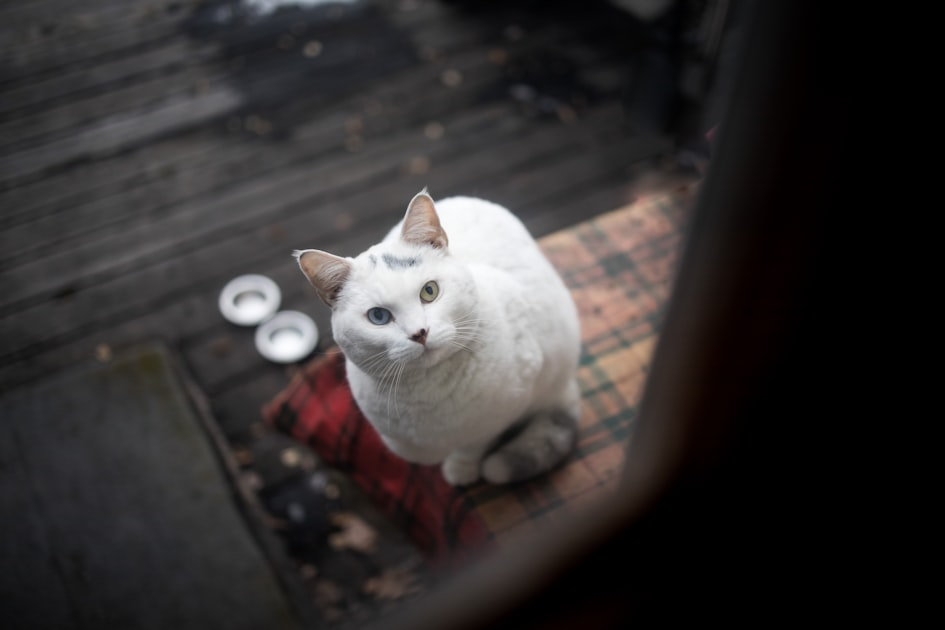
Your sweet, affectionate cat suddenly hisses when you reach to pet her. She lashes out and scratches you when you pick her up, or growls when you walk past her favorite sleeping spot. This cat who used to seek out cuddles now acts like you’re a threat. The transformation happened seemingly overnight, leaving you confused and honestly a bit hurt by the sudden rejection.
Sudden aggression in a previously friendly cat is alarming and distressing for owners. It’s tempting to interpret this behavior as your cat being mean, spiteful, or no longer loving you. But cats don’t operate that way. When a cat’s behavior changes dramatically and suddenly, especially when aggression appears out of nowhere, something has changed in her physical or emotional state.
Pain is the most common cause of sudden aggression in cats. When cats hurt, they become defensive and reactive. They can’t tell you what hurts, so they communicate through behavior changes, often appearing aggressive when they’re actually afraid that your touch or movement will cause more pain. Other medical causes, stress, fear, and sensory changes also trigger sudden aggression, but pain should always be your first suspicion.
This guide helps you understand why sudden aggression almost always signals an underlying problem, how to identify whether pain, illness, or other factors are responsible, what you can safely do at home, and when aggressive behavior requires immediate veterinary attention.
Understanding Normal vs. Abnormal Aggression
Not all aggressive behavior is abnormal or concerning. Let’s distinguish between normal cat behavior and sudden aggression that signals problems.
Normal Aggressive Behaviors
Play aggression in young cats involves biting and scratching during play. It looks fierce but is part of normal development. This aggression:
- Has been present since kittenhood
- Occurs during active play
- Stops when play ends
- Doesn’t involve defensive body language (ears back, hissing)
Territorial aggression toward unfamiliar cats is normal protective behavior.
Fear-based aggression toward strangers or during stressful events (vet visits, loud noises) is understandable defensive behavior.
Redirected aggression happens when a cat is aroused by something (another cat outside the window) and lashes out at whoever is nearby. While problematic, this is a known behavioral pattern.
Abnormal Sudden Aggression
The concerning pattern involves dramatic change in a previously friendly cat:
Characteristics of problem aggression:
- Sudden onset in a cat who was previously affectionate
- Directed at familiar people who were previously accepted
- Occurs in normal, non-threatening situations
- Seems unprovoked or out of proportion to the situation
- Includes hissing, growling, swatting, or biting
- Defensive body language (ears back, pupils dilated, tail lashing)
- The cat seems tense, defensive, or fearful
What owners report:
- “She used to love being petted, now she attacks me”
- “I can’t touch her anymore without getting bitten”
- “She’s hiding and hisses if I come near”
- “She bit me when I tried to pick her up”
- “She’s acting like she’s afraid of me”
The key is the sudden change. A cat who was friendly yesterday and is aggressive today has developed a problem requiring investigation.
Pain: The Primary Cause
Pain makes cats defensive and reactive. When movement or touch causes pain, cats learn to preemptively defend themselves by showing aggression before you make contact.
Why Pain Causes Aggression
Injured or painful animals in the wild become vulnerable to predators. Defensive aggression protects them by keeping threats (including well-meaning humans) at a distance. Your cat isn’t being mean; she’s protecting herself from what she perceives as a threat to her already painful condition.
Cats also have limited ways to communicate discomfort. They can’t say “my back hurts, please don’t touch me there.” Aggression is their clearest communication that something is wrong.
Common Pain Sources
Arthritis is the most frequent cause of pain-related aggression in cats, especially in those over seven years old. Studies show over 90% of cats over age 12 have arthritis, yet most cases go unrecognized.
Arthritis pain is worse:
- After resting or sleeping
- In cold weather
- When joints are moved through their range of motion
- When pressure is applied to affected joints
An arthritic cat becomes aggressive because:
- Being picked up hurts the joints
- Petting along the back or hips causes pain
- She anticipates pain when you reach toward her
- Moving away from your touch hurts, so she warns you off instead
Dental disease creates mouth pain that makes cats irritable and defensive. Cats with dental pain often:
- Act aggressive when you touch their head or face
- React badly to anything near their mouth
- Show general irritability from chronic pain
- Have difficulty eating but still feel hungry and frustrated
Injuries from various sources cause localized or widespread pain:
- Bite wounds and abscesses from cat fights (often not visible under fur)
- Sprains or strains
- Fractures
- Back injuries
- Torn claws
- Cuts or punctures
Injuries cause aggression when:
- You touch or approach the injured area
- Moving to escape causes more pain
- The cat is anticipating pain based on previous touches
Urinary tract problems create pain during urination and abdominal discomfort:
- Bladder infections
- Bladder stones or crystals
- Urethral obstruction (medical emergency)
- Feline idiopathic cystitis (painful bladder inflammation)
Cats with urinary pain become aggressive because:
- The lower abdomen is painful
- They associate your presence with the pain (especially if you’ve taken them to the vet for the problem)
- They’re generally miserable from constant discomfort
Gastrointestinal pain from various conditions:
- Constipation
- Inflammatory bowel disease
- Pancreatitis
- Intestinal obstruction
- Abdominal tumors
GI pain causes aggression when:
- You touch the abdomen
- Being picked up puts pressure on the painful area
- The cat is constantly uncomfortable and irritable
Ear infections or ear mites create head and ear pain that makes cats defensive about head touching.
Skin conditions causing pain:
- Abscesses under the skin
- Severe allergic reactions with inflamed, painful skin
- Burns or trauma
- Flea allergy creating intensely itchy, painful skin
Signs Your Cat’s Aggression is Pain-Related
Location-specific reactions: Your cat is fine when you approach but aggressive when you touch certain areas (back, hips, abdomen, head).
Handling-triggered aggression: She’s okay when you’re near but becomes aggressive when you try to pick her up or move her.
Timing patterns:
- Worse first thing in the morning (arthritis stiffness)
- Worse after sleeping
- Better after gentle movement
Accompanying physical symptoms:
- Decreased grooming (especially on hindquarters)
- Difficulty jumping or climbing
- Moving more slowly
- Sleeping more
- Changes in litter box habits
- Decreased appetite
- Vocalizing when moving or being touched
Body language indicating pain:
- Tense, hunched posture
- Reluctance to move
- Flinching before you make contact
- Eyes partially closed or pupils dilated
- Ears pinned back
- Quick to escalate to defensive aggression
How to Identify Pain Locations
If your cat tolerates gentle examination (don’t force if she’s severely aggressive):
Systematic gentle palpation:
- Start at areas she tolerates
- Move slowly to more sensitive areas
- Watch for subtle reactions: tensing, flinching, turning to look at your hand, ears going back
- Compare both sides of the body
- Note any areas where she pulls away, hisses, or tries to bite
Common pain locations and how they manifest:
- Hips/lower back: Aggressive when you touch her rear end or try to pick her up
- Mouth: Aggressive when you touch her face or head
- Abdomen: Aggressive when you touch her belly or try to scoop her up
- Paws: Pulls foot away quickly, may bite if you try to examine
Stop immediately if your cat becomes genuinely aggressive. The goal is information gathering, not forcing examination.
Illness Without Obvious Pain
Some illnesses make cats feel so unwell that they become irritable and aggressive even without localized pain.
Hyperthyroidism
Overactive thyroid creates a cat who feels wired, anxious, and irritable. The hormonal imbalance causes:
- Hyperactivity and restlessness
- Weight loss despite increased appetite
- Increased vocalization
- Irritability and mood changes
- Sometimes aggression
The cat isn’t in pain but feels constantly overstimulated and unable to relax, leading to short temper and aggressive responses.
Neurological Problems
Brain tumors, cognitive dysfunction, or other neurological issues can cause personality changes including aggression.
Signs suggesting neurological causes:
- Disorientation or confusion
- Changes in awareness or responsiveness
- Abnormal eye movements
- Head pressing
- Circling
- Seizures
- Balance problems
High Blood Pressure (Hypertension)
Severely elevated blood pressure can cause headaches and discomfort that make cats irritable. Hypertension commonly accompanies kidney disease or hyperthyroidism.
Hypertension signs:
- Sudden blindness
- Dilated pupils
- Blood visible in eyes
- Disorientation
- Vocalizing
- Aggression or irritability
Chronic Kidney Disease
Advanced kidney disease creates general malaise, nausea, and discomfort that makes cats irritable:
- Constant nausea
- Headaches from toxin buildup
- Generally feeling unwell
- Weakness
Infections and Fever
Any infection causing fever can make cats feel miserable and defensive:
- Upper respiratory infections
- Urinary tract infections
- Abscesses
- Internal infections
Fever creates achiness and general discomfort similar to how you feel with the flu.
Sensory Changes
Loss or alteration of senses makes cats feel vulnerable and defensive.
Vision Loss
Cats losing vision become more defensive because they can’t see approaching threats. Sudden blindness from:
- Retinal detachment
- Hypertension
- Cataracts (usually gradual)
- Progressive retinal atrophy
Blind cats often:
- Startle easily when touched
- Act aggressive when approached
- Seem more defensive in general
- Have dilated pupils that don’t respond to light
Hearing Loss
Deaf cats can’t hear you approaching and startle when you suddenly appear or touch them. The startle response sometimes includes defensive aggression.
Senior cats commonly lose hearing gradually, but sudden deafness can occur from:
- Ear infections
- Certain medications
- Neurological problems
Cognitive Dysfunction
Senior cats with dementia become confused and disoriented. The confusion creates fear and defensive aggression.
Cognitive dysfunction signs:
- Disorientation (getting lost in familiar places)
- Changes in sleep-wake cycle
- Decreased social interaction
- House soiling
- Aggression when confused or startled
Environmental and Behavioral Causes
While less common than medical causes, environmental changes can trigger sudden aggression.
Major Stressors
Significant household changes create stress-induced aggression:
- Moving to a new home
- New pets (especially dogs or other cats)
- New baby
- Loss of a companion animal
- Major renovations or construction
- New people moving in
Stress-induced aggression typically:
- Correlates clearly with the triggering event
- Includes other stress behaviors (hiding, not eating, litter box problems)
- Often shows gradual escalation rather than overnight change
Redirected Aggression
A cat becomes aroused by something she can’t access (outdoor cat visible through window, sounds from outside) and redirects that aggression to whoever is nearby. This can create a pattern where your cat associates you with the aggressive arousal.
Redirected aggression characteristics:
- Often follows a specific triggering event
- Can persist even after the trigger is gone
- May take time to resolve
Fear or Trauma
A traumatic experience (painful vet visit, being trapped somewhere, frightening event) can create fear-based aggression that generalizes to normal situations.
What You Can Do at Home
When faced with sudden aggression, your response depends on severity and suspected cause.
Ensure Safety First
Protect yourself:
- Don’t force interaction with an aggressive cat
- Give her space and don’t corner her
- Use slow, predictable movements
- Avoid situations that trigger aggression
Protect your cat:
- Don’t punish aggressive behavior (this worsens fear and aggression)
- Provide safe spaces where she can retreat
- Minimize stress and forced interaction
Document the Aggression Pattern
Track when aggression occurs:
- What triggers it (touching, approaching, picking up, specific times of day)
- Where on her body she reacts to touch
- How severe the reaction is
- Whether it’s getting worse, better, or staying the same
- Any other behavior changes
- Video the aggression if possible (helps your vet assess)
This information is crucial for diagnosis.
Look for Physical Clues
Check for visible problems:
- Swelling or lumps anywhere on the body
- Wounds, scabs, or wet spots in fur (abscesses)
- Limping or altered gait
- Changes in how she positions herself
- Dirty or matted fur (indicates not grooming due to pain or mobility issues)
- Changes in litter box habits
Assess Recent Changes
Consider what’s different:
- Any new medications or supplements
- Household changes
- New pets or people
- Recent injury or vet visit
- Changes in routine
- Anything unusual in the days before aggression started
Minimize Stress
While investigating causes:
- Maintain calm, quiet household
- Keep routines consistent
- Provide hiding spots and elevated perches
- Don’t force interaction
- Ensure resources (food, water, litter) are easily accessible
Never Punish
Punishment for aggression:
- Worsens fear and defensive behavior
- Doesn’t address the underlying cause
- Damages your relationship with your cat
- Can escalate aggression
Remember: your cat isn’t being bad. She’s in pain, scared, or unwell.
When to Seek Veterinary Care
Emergency care immediately if:
- Aggression accompanied by inability to walk or stand
- Your cat seems disoriented, confused, or unresponsive
- She’s having seizures
- Her pupils are different sizes
- She can’t urinate (especially male cats)
- She’s vomiting repeatedly
- She appears to be in severe pain
- She’s weak or collapses
Same-day urgent care if:
- Aggression started suddenly (within 24-48 hours)
- Your cat is hiding and completely withdrawn
- She’s not eating or drinking
- You see obvious injuries or swelling
- She’s vocalizing in apparent pain
- She can’t jump or move normally
- Urinary or litter box problems accompany the aggression
Schedule appointment within a few days if:
- Aggression has persisted for several days
- Gradual behavior change over the past week or two
- Your cat is over 7 years old (arthritis and other age-related conditions are likely)
- You can identify location-specific triggers (hates back being touched, aggressive when picked up)
- Other subtle changes accompany aggression (eating less, sleeping more, moving stiffly)
Don’t wait weeks hoping behavior improves. Most causes require treatment, and pain shouldn’t go unaddressed.
Veterinary Diagnosis
Your veterinarian takes a systematic approach to identifying causes of sudden aggression.
Detailed History
Your vet will ask:
- When did the aggression start?
- What triggers it?
- Where does your cat tolerate or not tolerate being touched?
- Any recent illnesses or injuries?
- What other behavior changes have you noticed?
- How old is your cat?
Bring your documentation and videos.
Physical Examination
Careful hands-on examination:
- Many aggressive cats allow veterinary examination better than home examination
- Your vet palpates for painful areas, swelling, or abnormalities
- Oral examination checks for dental disease
- Joint manipulation assesses arthritis
- Abdominal palpation checks for pain or masses
Some cats are too aggressive for full examination without sedation.
Pain Assessment
Your vet evaluates:
- How your cat moves and walks
- Posture and body position
- Response to palpation of different body areas
- Range of motion in joints
- Overall body condition
Diagnostic Tests
Bloodwork:
- Complete blood count
- Chemistry panel checking kidney, liver, thyroid function
- Electrolytes
Urinalysis:
- Checking for urinary tract infection or crystals
- Assessing kidney function
Blood pressure measurement:
- Screening for hypertension
X-rays:
- Evaluating joints for arthritis
- Checking for fractures or bone abnormalities
- Abdominal X-rays for constipation, masses, or other problems
Advanced imaging:
- Ultrasound for internal organ evaluation
- CT or MRI for neurological problems
- Usually requires referral to specialists
Trial Pain Medication
Sometimes a diagnostic trial of pain medication helps:
- If aggression improves significantly with pain control, pain was the cause
- This confirms diagnosis when the source of pain isn’t obvious
Treatment Options
Treatment depends entirely on the underlying cause.
For Arthritis
Pain management:
- NSAIDs (meloxicam, robenacoxib) with careful monitoring
- Gabapentin for nerve pain component
- Tramadol or other pain medications
- Solensia (monthly injection specifically for cat arthritis pain)
Joint supplements:
- Glucosamine and chondroitin
- Omega-3 fatty acids
- Adequan injections
Environmental modifications:
- Low-sided litter boxes
- Ramps or steps to elevated areas
- Soft, padded bedding
- Heated beds for comfort
Weight management if overweight
Physical therapy or rehabilitation
Many cats show dramatic behavior improvement within days of starting appropriate pain management.
For Dental Disease
Professional dental cleaning under anesthesia:
- Scaling and polishing
- Dental X-rays
- Extraction of diseased teeth
Antibiotics for infections
Pain medication during recovery
Cats are typically much friendlier after dental pain is resolved.
For Injuries and Wounds
Wound treatment:
- Cleaning and draining abscesses
- Antibiotics
- Pain management
Fracture or sprain management:
- Splinting or casting
- Surgery if needed
- Rest and pain control
For Urinary Problems
Bladder infection treatment:
- Antibiotics
- Pain medication
- Increased water intake
Bladder stones or crystals:
- Dietary management
- Sometimes surgery to remove stones
Emergency treatment for blockage:
- Immediate catheterization
- Hospitalization with fluids
- Long-term prevention strategies
For Systemic Illnesses
Hyperthyroidism:
- Methimazole medication
- Radioactive iodine therapy
- Prescription diet
Hypertension:
- Blood pressure medications
- Treating underlying causes
Kidney disease:
- Prescription renal diet
- Fluid support
- Medications for symptoms
Infections:
- Appropriate antibiotics
- Supportive care
For Behavioral Causes
Environmental management:
- Reducing stressors
- Providing safe spaces
- Pheromone diffusers (Feliway)
- Gradual positive reintroduction to triggering situations
Behavior modification:
- Counter-conditioning
- Desensitization
- Building positive associations
Medication:
- Anti-anxiety medications (fluoxetine, gabapentin)
- Short-term medication during high-stress periods
Recovery and Rebuilding Trust
Once the underlying cause is treated, your relationship with your cat can improve.
Give Time
Don’t expect immediate return to normal. Your cat has learned defensive patterns that take time to unlearn, even after pain is resolved.
Positive Associations
- Offer treats without forcing interaction
- Sit near your cat without touching
- Let her approach you
- Keep all interactions positive
- Never corner or force contact
Gradual Reintroduction
Start with what she tolerates:
- If she accepts proximity, just be near
- Progress to gentle one-finger pets on areas she likes
- Gradually increase interaction as she allows
- Always stop before she shows defensive signals
Respect Boundaries
Learn and respect your cat’s signals:
- Ears going back: stop interaction
- Tail twitching: she’s getting annoyed
- Pupils dilating: arousal/stress
- Body tensing: about to react
Stop before aggression occurs.
Maintain Treatment
Continue pain medication or other treatments as prescribed. Don’t discontinue just because behavior improves.
Frequently Asked Questions
My cat has always been friendly. Could sudden aggression really be from pain?
Yes, absolutely. Pain is the most common cause of sudden aggression in previously friendly cats. Cats are experts at hiding pain, and aggression is often their clearest way of communicating that something hurts. Arthritis, dental disease, injuries, and other painful conditions frequently present as behavior changes before physical symptoms become obvious. Any sudden aggression warrants veterinary evaluation to rule out pain.
How can I tell if my cat is in pain if she’s not limping or crying?
Cats rarely vocalize or limp obviously with pain. Instead, look for subtle signs: decreased activity, sleeping more, reluctance to jump, decreased grooming (especially hindquarters), eating less, moving stiffly, and yes, aggression. Changes in behavior are often the first and only signs of pain. If your cat’s personality has changed, assume pain until proven otherwise.
Will pain medication change my cat’s personality?
Pain medication won’t change your cat’s true personality, but relieving pain will allow her real personality to return. Chronic pain suppresses normal behavior, making cats seem withdrawn, grumpy, or aggressive. When pain is controlled, you’ll likely see your cat become more active, playful, affectionate, and interactive. Many owners are amazed at how much younger and happier their cat seems once pain is managed.
My cat only gets aggressive when I try to pick her up. What does this mean?
Aggression specifically when being picked up strongly suggests pain. Lifting a cat puts pressure on multiple body areas simultaneously, particularly the chest, abdomen, and where your hands grasp (often the hips and under the front legs). Arthritis in the spine, hips, or shoulders makes being lifted painful. Abdominal pain from various conditions also causes this reaction. Your cat needs veterinary examination focusing on these areas.
Can I give my cat pain medication before the vet appointment?
Don’t give any pain medication without veterinary guidance. Many pain relievers safe for humans or dogs are toxic to cats (acetaminophen, ibuprofen, aspirin). Even safe medications need proper dosing. Additionally, if medication masks symptoms, it might interfere with your vet’s ability to localize pain during examination. Call your vet for advice rather than medicating at home.
My senior cat became aggressive. Is this just normal aging?
No, aggression is not a normal part of aging. However, conditions that cause aggression (arthritis, dental disease, kidney disease, hyperthyroidism, cognitive dysfunction) are very common in senior cats. What seems like personality change from aging is usually treatable medical problems. Senior cats showing behavior changes deserve thorough veterinary evaluation. Many dramatically improve with appropriate treatment.
How long does it take for aggression to improve after treating the underlying cause?
Timeline varies by cause. Cats often show improvement within 3 to 7 days of starting pain medication for arthritis or other pain conditions. After dental extractions, improvement occurs within a week or two once the mouth heals. For infections or injuries, behavior improves as the condition resolves. However, rebuilding trust and unlearning defensive patterns takes longer, sometimes several weeks to months. Be patient and let your cat set the pace.
Should I get a second cat to help my aggressive cat feel better?
No, absolutely not. Adding another cat to a household where the resident cat is aggressive due to pain, illness, or stress will make things dramatically worse. Your aggressive cat needs medical treatment and environmental stability, not additional stressors. Introducing a new cat should only be considered once your cat is medically treated, behaviorally stable, and showing her friendly personality again.