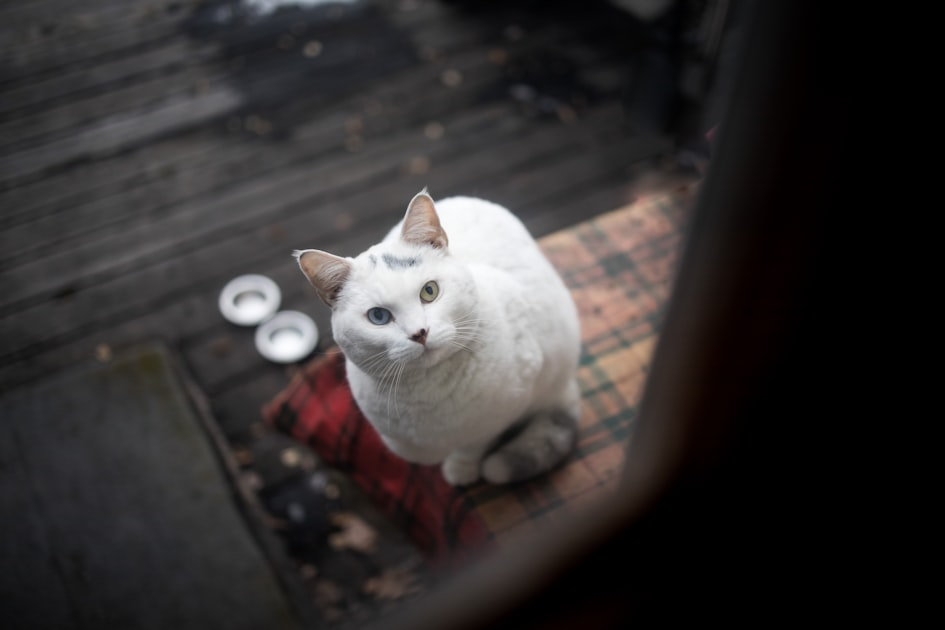
Your cat has been meowing constantly for hours. Not the occasional chirp or greeting, but persistent, loud vocalization that seems urgent or distressed. You’ve checked her food bowl, cleaned the litter box, and given her attention, but the meowing continues. Something is clearly wrong, but what?
Excessive meowing in cats is never just attention-seeking behavior when it appears suddenly or increases dramatically. Cats communicate through vocalization for specific reasons, and when that vocalization becomes persistent or frantic, it usually signals a medical problem causing pain, discomfort, or distress.
Understanding the difference between normal cat vocalization and medically-driven meowing can be challenging. Some breeds naturally vocalize more than others, and individual cats have varying baseline “chattiness.” However, when your normally quiet cat won’t stop meowing, or your talkative cat’s vocalization changes in quality, intensity, or frequency, medical causes should be investigated first.
This guide walks through the most common medical reasons for excessive meowing, how to identify which condition might be affecting your cat, and when the situation requires immediate veterinary attention.
What Excessive Meowing Actually Means
Before exploring medical causes, let’s define what we mean by excessive or abnormal meowing.
Normal cat vocalization includes:
- Greeting meows when you come home
- Meowing before mealtimes
- Occasional chirps or trills during play
- Brief meows to get your attention
- Vocalizing during mating season (unaltered cats)
Medically-driven excessive meowing looks different:
- Continuous meowing for extended periods (hours, not minutes)
- Meowing that sounds distressed, urgent, or painful
- Vocalization at unusual times (middle of the night when your cat normally sleeps)
- Meowing that doesn’t stop when you address normal needs (food, litter, attention)
- Changes in the sound of meowing (louder, more urgent, different pitch)
- Meowing accompanied by pacing, restlessness, or obvious discomfort
- Sudden increase in vocalization in a previously quiet cat
The key distinction is whether the meowing has purpose and stops when needs are met, or whether it’s persistent and seemingly without resolution. Medical problems create vocalization that continues because the underlying discomfort or confusion continues.
Medical Causes in Senior Cats
Age-related conditions are the most common medical causes of excessive meowing, particularly in cats over 10 years old.
Cognitive Dysfunction Syndrome
Feline cognitive dysfunction, essentially dementia in cats, tops the list for persistent meowing in elderly cats. This neurological deterioration affects memory, awareness, and behavior.
Cats with cognitive dysfunction meow because they’re confused and disoriented. They might forget where they are, not recognize familiar surroundings, or feel lost even in their own home. The meowing sounds plaintive or distressed, like they’re calling for help.
The vocalization typically worsens at night when darkness increases disorientation. Your cat might walk through the house yowling as if searching for something. When you respond, she might briefly settle but resume meowing shortly after you leave.
Other cognitive dysfunction symptoms include:
- Disorientation (staring at walls, getting “stuck” in corners)
- Disrupted sleep patterns (awake all night, sleeping all day)
- House soiling or eliminating outside the litter box
- Decreased interaction with family
- Aimless wandering
- Changes in social behavior
Cognitive dysfunction typically affects cats over 12 years old, though some show signs earlier. Studies suggest over 50% of cats between 15 and 16 years old display some cognitive decline symptoms.
Hyperthyroidism
Hyperthyroidism causes the thyroid gland to produce excessive hormones, revving up your cat’s entire metabolism. This creates a cat who feels constantly wired, restless, and agitated.
Hyperthyroid cats often vocalize excessively because they genuinely feel anxious and hyperactive. The hormonal imbalance creates feelings of urgency and discomfort. These cats can’t settle down, and the meowing reflects their internal restlessness.
The vocalization usually occurs throughout the day and night, not just at specific times. Your cat might meow while pacing, seem unable to relax, and appear generally agitated.
Hyperthyroidism symptoms beyond meowing:
- Weight loss despite increased appetite (often ravenous eating)
- Increased thirst and urination
- Hyperactivity and restlessness
- Vomiting or diarrhea
- Poor coat quality
- Rapid heart rate
- Irritability or personality changes
This condition almost exclusively affects middle-aged to older cats, typically over 8 years old. It’s one of the most common hormonal disorders in senior cats and very treatable once diagnosed.
Hypertension (High Blood Pressure)
High blood pressure often accompanies kidney disease or hyperthyroidism in older cats. Severe hypertension can cause headaches, vision changes, and general discomfort that drives vocalization.
Cats with hypertension might meow because they’re uncomfortable or experiencing headache-like symptoms. Some cats develop sudden blindness from hypertension, which causes frightened, confused vocalization as they try to navigate a world they can suddenly no longer see.
Hypertension signs include:
- Dilated pupils that don’t respond normally to light
- Sudden blindness or vision changes
- Disorientation
- Blood visible in the eye
- Excessive meowing or crying
- Restlessness
Hypertension rarely occurs alone. It typically results from underlying conditions like kidney disease or hyperthyroidism, so treating the root cause is essential.
Chronic Kidney Disease
Kidney disease affects most geriatric cats to some degree. As kidney function declines, waste products build up in the bloodstream, creating nausea and general malaise.
Cats with kidney disease meow because they feel genuinely unwell. The nausea is persistent, creating discomfort that drives vocalization. Some cats meow more at night because lying down worsens the nauseous feeling.
Kidney disease symptoms:
- Increased thirst and urination
- Weight loss
- Decreased appetite
- Vomiting
- Bad breath (ammonia smell)
- Lethargy
- Poor coat condition
- Excessive meowing, especially at night
Kidney disease progresses slowly. The meowing often develops gradually as the disease advances and your cat feels increasingly unwell.
Pain-Related Causes
Pain anywhere in the body can cause excessive vocalization. Cats in pain often meow to communicate distress.
Arthritis
Arthritis is nearly universal in senior cats but often goes unrecognized. Joint pain worsens after periods of rest, so cats with arthritis often meow more at night or first thing in the morning when stiff joints make movement painful.
The meowing might occur when your cat tries to stand up from resting, jump down from furniture, or climb into the litter box. You might notice vocalization specifically associated with movement or position changes.
Arthritis indicators beyond meowing:
- Difficulty jumping or climbing
- Stiffness after resting
- Reluctance to use stairs
- Litter box avoidance (climbing in hurts)
- Decreased grooming (can’t reach certain areas)
- Irritability when touched in certain spots
- Matted fur on hindquarters
Dental Disease
Dental pain causes meowing because eating, grooming, or even closing the mouth becomes uncomfortable. The vocalization might increase around mealtimes or when your cat tries to groom.
Cats with dental disease sometimes meow while approaching their food bowl, showing interest in eating but vocalizing due to anticipated pain. Some meow after eating because the process was uncomfortable.
Dental disease signs:
- Bad breath
- Visible tartar or red gums
- Drooling or excessive salivation
- Dropping food while eating
- Pawing at the mouth
- Preferring soft food over dry
- Weight loss
- Meowing associated with eating or grooming
Urinary Tract Problems
Urinary tract disease causes pain and urgency that drives vocalization. Cats with bladder inflammation, infections, stones, or crystals often meow loudly before, during, or after using the litter box.
The meowing sounds distressed or painful. You might notice your cat crying out in the litter box, or meowing frantically while pacing near it. The urgency to urinate is constant, creating persistent discomfort.
Urinary tract problem symptoms:
- Frequent trips to the litter box with small amounts of urine
- Straining to urinate
- Blood in urine
- Urinating outside the box
- Crying in or near the litter box
- Excessive genital licking
- Restlessness
Male cats showing urinary symptoms need immediate emergency care because they can develop life-threatening blockages that prevent urination entirely.
Gastrointestinal Pain
Stomach pain, intestinal discomfort, or constipation can cause meowing. Cats with pancreatitis, inflammatory bowel disease, or severe constipation often vocalize due to abdominal discomfort.
The meowing might increase after eating or when trying to defecate. Some cats meow while assuming the posture for elimination, indicating pain with that activity.
Sensory Decline
Loss of hearing or vision creates anxiety and confusion that manifests as increased vocalization.
Deafness
Deaf cats often meow more loudly and frequently because they can’t hear themselves. They vocalize trying to communicate but can’t modulate volume appropriately because they receive no auditory feedback.
Deaf cats might meow when they can’t locate you visually because they can’t hear where you are in the house. The vocalization sounds like calling or searching behavior.
Signs your cat might be deaf:
- Very loud meowing
- Not responding when called
- Startling easily when touched
- Not reacting to loud noises
- Sleeping more soundly than usual
Vision Loss
Blind or vision-impaired cats meow more because they feel vulnerable and disoriented, especially in darkness or unfamiliar situations. They vocalize seeking reassurance or help navigating their environment.
Vision loss signs:
- Bumping into furniture
- Hesitation before jumping
- Dilated pupils that don’t constrict in light
- Cloudiness in the eyes
- Reluctance to move around, especially at night
Hunger and Metabolic Disorders
Several conditions increase appetite and create genuine hunger that drives meowing.
Diabetes Mellitus
Diabetic cats experience increased hunger because glucose can’t enter cells properly for energy, despite high blood sugar levels. The cells essentially starve even though blood sugar is high, creating genuine hunger.
Diabetic cats often meow persistently around mealtimes and frequently in between meals. The hunger is real and constant, driving food-seeking behavior and vocalization.
Diabetes symptoms:
- Increased appetite but weight loss
- Increased thirst and urination
- Weakness, especially in hind legs
- Poor coat condition
- Sweet or fruity-smelling breath
Hyperthyroidism (Hunger)
Beyond the general restlessness hyperthyroidism causes, the increased metabolism creates genuine hunger. Hyperthyroid cats often feel ravenous and meow excessively for food.
These cats might eat large amounts but continue begging for food immediately after meals. The meowing focuses specifically on food-seeking behavior.
Reproductive and Hormonal Causes
Unaltered cats vocalize excessively due to reproductive hormones.
Heat Cycles
Female cats in heat vocalize loudly and persistently. The yowling is distinctive, louder than normal meowing, and meant to attract males. Heat cycles can occur every few weeks during breeding season.
If your unaltered female cat is meowing excessively, heat is a likely explanation. Spaying eliminates this behavior permanently.
Unneutered Males
Male cats detecting females in heat nearby will vocalize excessively, pace, and try to escape outside. The meowing is driven by reproductive hormones and mating instinct.
Neutering dramatically reduces this behavior.
When to Seek Veterinary Care
Persistent meowing always warrants veterinary evaluation to rule out medical causes.
Schedule an appointment within a few days if:
- Meowing has increased noticeably over days to weeks
- Your cat is over 10 years old
- The vocalization occurs primarily at night
- Your cat seems confused or disoriented
- Other behavior changes accompany the meowing
- Your cat shows signs of pain with movement
Seek same-day care if:
- Meowing is accompanied by obvious distress or pain
- Your cat is crying in or around the litter box
- You notice blood in urine or difficulty urinating
- Your cat won’t eat or seems severely unwell
- The meowing is constant and preventing normal activities
- A male cat is straining to urinate with little output
Go to an emergency clinic immediately if:
- Your cat can’t urinate at all
- She’s vomiting repeatedly
- She collapses or can’t stand
- Her gums are pale or white
- She’s gasping or struggling to breathe
Diagnostic Approach
Your veterinarian will take a methodical approach to identifying the cause:
Physical examination checks:
- Vital signs and body condition
- Oral examination for dental disease
- Abdominal palpation for pain or masses
- Joint assessment for arthritis
- Neurological evaluation
- Vision and hearing assessment
Common diagnostic tests:
- Complete blood count and chemistry panel (checking thyroid, kidney function, glucose)
- Urinalysis (checking for infection, diabetes, kidney disease)
- Blood pressure measurement
- X-rays (checking for arthritis, bladder stones, or other abnormalities)
- Sometimes advanced imaging or specialist referrals for complex cases
Treatment Options
Treatment depends on the underlying cause:
For cognitive dysfunction:
- Environmental enrichment and routine consistency
- Nightlights to reduce disorientation
- Selegiline medication may help some cats
- SAMe supplements and omega-3 fatty acids
- Anti-anxiety medications in some cases
For hyperthyroidism:
- Methimazole medication (daily pills or transdermal gel)
- Radioactive iodine therapy (curative treatment)
- Prescription diet (y/d food)
- Sometimes surgery to remove thyroid gland
For kidney disease:
- Prescription renal diet
- Medications to manage blood pressure and phosphorus
- Fluid support when needed
- Anti-nausea medications
- Pain management
For pain conditions (arthritis, dental disease):
- Pain medications appropriate for cats
- Dental cleaning and extractions for dental disease
- Joint supplements for arthritis
- Environmental modifications to reduce pain triggers
For diabetes:
- Insulin injections twice daily
- Low-carbohydrate diet
- Blood glucose monitoring
- Regular veterinary follow-ups
For urinary problems:
- Antibiotics for infections
- Pain medications
- Dietary changes for crystals
- Increased water intake
- Stress reduction
Managing the Behavior at Home
While addressing the underlying medical cause, you can help manage the vocalization:
For nighttime meowing:
- Leave nightlights on to reduce disorientation
- Provide a comfortable sleeping area near your bedroom
- Maintain consistent evening routines
- Engage your cat in play before bedtime to tire her out
- Consider white noise to mask some vocalization
For general excessive meowing:
- Respond calmly without excessive excitement
- Don’t reinforce the behavior by immediately giving what she wants
- Ensure all basic needs are met (food, water, clean litter)
- Provide environmental enrichment during the day
- Stick to consistent routines
What not to do:
- Don’t punish or yell at a cat meowing due to medical causes
- Don’t ignore obvious distress signals
- Don’t assume it’s just behavioral without veterinary evaluation
- Don’t delay care hoping the behavior will stop on its own
Living With a Vocal Cat
Some cats remain more vocal than others even after medical treatment. Learning to distinguish between normal chattiness and medically-driven distress helps you respond appropriately.
Keep notes about patterns:
- When the meowing occurs
- What triggers it
- How long it lasts
- What makes it stop
- Any changes in frequency or intensity
These observations help you and your veterinarian assess whether treatment is working and whether the behavior is stable or worsening.
Frequently Asked Questions
Why does my cat meow at me constantly when I’m home?
If your cat only meows excessively when you’re present but settles when alone, attention-seeking is more likely than medical causes. However, if she meows constantly regardless of whether anyone responds, medical causes like pain, cognitive dysfunction, or hyperthyroidism should be investigated. Cats over 10 years old with new persistent vocalization should see a vet even if it seems attention-related.
Is it normal for cats to meow more as they get older?
Increased vocalization is common in senior cats but isn’t “normal” in the sense that it’s always benign. Most older cats who meow more have underlying medical reasons like cognitive dysfunction, hyperthyroidism, or pain. While aging does bring changes, excessive meowing warrants veterinary evaluation rather than being dismissed as just “getting old.”
Can stress cause a cat to meow excessively?
Yes, stress can increase vocalization, but it usually has clear triggers like moving, new pets, or household changes. The meowing typically correlates with specific stressful events. Medical causes create more constant, persistent vocalization that doesn’t have obvious environmental triggers. If you can’t identify a specific stressor and the meowing continues for more than a few days, medical evaluation is important.
My cat only meows at night. What does this mean?
Nighttime-specific meowing in senior cats often points to cognitive dysfunction. The disorientation worsens in darkness, causing confused vocalization. Hyperthyroidism also causes nighttime restlessness and meowing. Young to middle-aged cats with only nighttime vocalization might have hunger issues or simply want attention. Any cat over 10 with new nighttime meowing should be evaluated for medical causes.
How can I tell if my cat is meowing because of pain?
Pain-related meowing often occurs with specific activities (jumping down, using the litter box, eating) or positions. The meowing sounds distressed rather than demanding. Look for other pain signs like decreased activity, poor grooming, changes in posture, hiding, or aggression when touched. Cats are experts at hiding pain, so any persistent vocalization change in an older cat should prompt a veterinary exam.
Will spaying or neutering stop excessive meowing?
If the meowing is hormone-driven (females in heat or males responding to females in heat), spaying or neutering eliminates it completely. However, if medical conditions like hyperthyroidism or cognitive dysfunction cause the vocalization, altering won’t help. For intact cats with excessive vocalization, spaying or neutering should be the first step, as reproductive hormones are a very common cause.
My 15-year-old cat started yowling at night suddenly. Should I be worried?
Yes, sudden nighttime yowling in a 15-year-old cat is concerning and warrants veterinary evaluation soon. This age group commonly develops cognitive dysfunction, hyperthyroidism, hypertension, or kidney disease, all of which can cause nighttime vocalization. Even if your cat seems fine otherwise, these conditions can progress quickly. Schedule a veterinary appointment within a few days for bloodwork and blood pressure measurement.
Can deafness cause cats to meow more?
Yes, deaf cats often meow more loudly and frequently because they can’t hear themselves or you. They vocalize to communicate but can’t regulate volume without auditory feedback. If your older cat’s meowing has gotten much louder and she doesn’t respond when you call her name, hearing loss might be contributing. Deaf cats also startle easily when touched because they can’t hear you approaching.