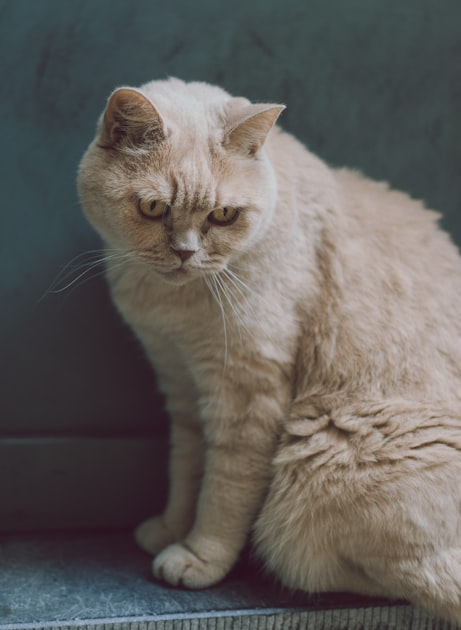
Your cat lets out a sudden sneeze while lounging on the couch. Then another one an hour later. Maybe you’ve noticed her sneezing a few times over the past couple days, but when you check on her, she’s eating normally, playing with her toys, and acting completely like herself.
Occasional sneezing in cats can be as benign as it is in humans—sometimes dust, a strong smell, or a tickle in the nose triggers a sneeze or two. But cats don’t sneeze nearly as often as people do, so even infrequent sneezing catches our attention and makes us wonder if something’s wrong.
The good news is that a cat who sneezes occasionally but maintains normal energy, appetite, and behavior often doesn’t have a serious problem. However, sneezing can also be the first and only symptom of upper respiratory infections, allergies, or nasal irritation that might need attention before it progresses.
Understanding what’s normal, what causes sneezing in otherwise healthy cats, and when those sneezes signal something more serious helps you decide whether to watch and wait or schedule a veterinary visit.
What Normal Sneezing Looks Like
First, let’s establish what we mean by “sneezing but seems fine.”
Your cat likely falls into this category if:
- She sneezes anywhere from once every few days to a few times per day
- The sneezing doesn’t seem to distress her
- She eats and drinks normally
- Her energy level is unchanged
- She plays and interacts normally
- There’s no discharge from her nose or eyes
- Her breathing sounds normal between sneezes
- She’s not pawing at her face or rubbing her nose excessively
Cats have a much lower baseline sneeze frequency than humans. While we might sneeze multiple times daily without concern, cats typically sneeze rarely—so even two or three sneezes a day represents a noticeable increase from their normal zero.
The key factor is whether the sneezing is isolated or accompanied by other symptoms. A cat who sneezes but shows absolutely no other changes is in a very different situation than one who sneezes and also has watery eyes or decreased appetite, even if those additional symptoms seem mild.
Seven Causes of Sneezing in Otherwise Healthy Cats
1. Environmental Irritants
The most benign explanation for occasional sneezing is simple nasal irritation from environmental factors. Cats have sensitive noses, and various airborne particles can trigger sneezes without causing actual illness.
Common irritants include:
- Dust from cat litter (especially clay litters)
- Cleaning product fumes (bleach, ammonia-based cleaners, air fresheners)
- Perfumes, colognes, or scented candles
- Cigarette smoke or vaping aerosols
- Cooking smoke or strong food odors
- Dusty environments (during cleaning, shaking out blankets)
- Pollen that drifts indoors through open windows
- Aerosol sprays (hair spray, deodorant, air freshener)
These irritants cause mechanical stimulation of the nasal passages without triggering infection or inflammation. Your cat sneezes to expel the irritating particle, then returns to normal immediately.
Signs that point to environmental irritants:
- Sneezing happens in specific locations or after specific activities
- You can connect the sneezing to cleaning, cooking, or using scented products
- The sneezing is infrequent and sporadic
- Your cat acts completely normal between sneezes
- No nasal discharge or other symptoms develop
- Multiple cats in the household might sneeze occasionally
If you notice your cat sneezes more when you scoop the litter box, after you’ve vacuumed, or when you use certain cleaning products, environmental irritants are likely responsible. The solution is reducing exposure to the triggering substance.
2. Mild Upper Respiratory Infection (Early Stage)
Upper respiratory infections (URIs) in cats are extremely common, similar to the common cold in humans. In the very early stages, sneezing might be the only symptom before other signs develop.
Feline herpesvirus and feline calicivirus cause most URIs in cats. These viruses spread easily between cats through direct contact or contaminated surfaces. Many cats are exposed to these viruses as kittens and carry them dormant in their systems, with occasional flare-ups during stress.
Early URI symptoms often include:
- Sneezing that gradually increases in frequency over days
- Clear nasal discharge (initially, before becoming cloudy)
- Slight decrease in activity that you might not notice immediately
- Mild eye watering or squinting
- Subtle changes in appetite (eating slightly less but still eating)
The infection is in its earliest stages when your cat “seems fine.” Within days to a week, additional symptoms typically develop if the URI is progressing: thicker nasal discharge, more obvious lethargy, decreased appetite, or eye discharge.
Risk factors for URIs:
- Recent exposure to other cats (boarding, grooming, vet visit, new cat in home)
- Stress (moving, household changes, owner’s schedule change)
- Young age (kittens are more susceptible)
- Crowded living conditions (shelters, catteries, multi-cat households)
- Cats with a history of herpesvirus who experience periodic flare-ups
Many healthy adult cats with strong immune systems fight off mild URIs with minimal symptoms. The sneezing might continue for a week or two then resolve on its own. However, monitoring is important because some URIs progress to more serious illness requiring treatment.
3. Seasonal Allergies
Yes, cats can have seasonal allergies just like humans. While allergic reactions in cats usually manifest as skin problems (itching, hair loss), some cats develop respiratory symptoms including sneezing.
Cats can be allergic to:
- Tree, grass, and weed pollens
- Mold spores
- Dust mites
- Certain plant materials
Allergic sneezing differs from infection-related sneezing in its pattern. It tends to be consistent but not progressive—your cat sneezes regularly but doesn’t get worse over time. The sneezing might worsen during specific seasons (spring pollen season, fall ragweed season) then improve when those allergens decrease.
Characteristics of allergic sneezing:
- Seasonal pattern (worse at certain times of year)
- Consistent frequency without progression
- May include clear (not colored) nasal discharge
- Might be accompanied by itchy skin, though not always
- Your cat seems completely healthy otherwise
- Symptoms improve when spending time in areas with better air filtration
Some cats with environmental allergies also show skin symptoms: excessive grooming, small scabs on the skin, or hair loss. But others show primarily or only respiratory signs.
If the sneezing follows a seasonal pattern—appearing every spring or fall then resolving—allergies become a more likely explanation than infection.
4. Nasal Foreign Body (Early Stage)
Occasionally, cats inhale foreign material that lodges in the nasal passages: a grass seed, piece of plant material, or other small object. In the early stages, this causes sneezing as the body tries to expel the foreign material.
Initially, your cat might seem fine aside from the sneezing. She hasn’t developed infection or significant inflammation yet. But over hours to days, a retained foreign body typically causes progressive symptoms: more frequent sneezing, pawing at the face, nasal discharge from one nostril (usually), and increasing discomfort.
Clues suggesting a foreign body:
- Sudden onset of sneezing after being outdoors or in tall grass
- Sneezing is frequent and persistent rather than occasional
- Your cat paws at her face or nose
- Sneezing eventually becomes more violent or frantic
- Discharge appears from one nostril only (asymmetric)
- The sneezing doesn’t improve after a day or two
Foreign bodies don’t resolve on their own—they require veterinary removal. However, in the very early stages, you might not realize something is lodged in the nose if sneezing is the only symptom.
This cause is more common in cats who go outdoors, especially those who explore areas with foxtails, grass seeds, or dense vegetation.
5. Dental Disease
This might seem like an odd connection, but dental disease can cause sneezing in cats. The roots of the upper teeth sit very close to the nasal passages. When severe dental disease develops, infection can extend from the tooth root into the nasal cavity, causing sneezing.
In early stages, your cat might seem fine aside from occasional sneezing. The dental problem hasn’t progressed far enough to cause obvious pain or prevent eating, but it’s starting to affect the adjacent nasal passages.
Signs suggesting dental disease might be involved:
- Your cat is middle-aged to older (dental disease accumulates over years)
- She has bad breath
- You notice tartar buildup on her teeth
- She prefers soft food over hard kibble
- Sneezing might be accompanied by occasional bloody nasal discharge
- She drools or drops food while eating
- She chews on one side of her mouth
Dental disease severe enough to cause sneezing usually has other visible signs—tartar, red gums, or broken teeth—that become apparent when you examine your cat’s mouth. However, some cats have disease hidden in the back of the mouth or at the gum line that’s not easily visible.
If your cat is over 5 years old and has never had dental cleaning, dental disease becomes a more plausible explanation for sneezing, especially if accompanied by any mouth-related symptoms.
6. Nasal Polyps or Growths (Early Development)
Nasopharyngeal polyps are non-cancerous growths that develop in the nasal passages or throat. They’re more common in young cats (under 2 years old) but can occur at any age.
Tumors (both benign and malignant) can also develop in the nasal passages, though these are more common in older cats (over 8 years).
In early stages, when these growths are small, they cause mild irritation that triggers sneezing. As they enlarge, they block airflow and cause more obvious symptoms: noisy breathing, nasal discharge, facial swelling, or visible deformity of the face.
Early signs of growths include:
- Persistent sneezing that doesn’t improve over weeks
- Sneezing that very gradually increases in frequency
- Snoring or noisy breathing that develops over time
- Eventually, discharge from one nostril more than the other
- Symptoms that progress slowly over weeks to months rather than days
Most cats with nasal growths won’t “seem fine” for long—the symptoms progress as the growth enlarges. However, in very early stages, occasional sneezing might be the only detectable sign.
This cause is relatively uncommon compared to irritants, infections, or allergies. But if sneezing persists for weeks without other explanation, nasal masses enter the differential diagnosis.
7. Feline Asthma (Atypical Presentation)
Feline asthma typically causes coughing and wheezing rather than sneezing. However, some cats with mild asthma or those experiencing upper airway involvement might sneeze as part of their respiratory symptoms.
Asthma causes inflammation and constriction of the airways. While this primarily affects the lungs, the inflammation can extend to upper respiratory passages in some cases, triggering sneezing.
Asthma-related sneezing often includes:
- Occasional coughing or wheezing in addition to sneezing
- Symptoms that worsen with exertion or excitement
- Increased respiratory effort after play
- Symptoms triggered by dust, smoke, or strong odors
- A pattern of symptoms that come and go over months
True asthma severe enough to cause sneezing usually produces other more obvious respiratory symptoms. But mild asthma in its early stages might present as occasional sneezing that seems out of proportion to any clear trigger.
If your cat sneezes and also has any episodes of open-mouth breathing, rapid breathing, or coughing, respiratory disease like asthma becomes more concerning.
What You Can Try at Home
If your cat sneezes occasionally but truly seems fine otherwise, these strategies often help:
Reduce environmental irritants. Switch to low-dust or dust-free cat litter. Avoid using aerosol sprays, strong-scented cleaning products, or air fresheners around your cat. Ensure good ventilation when cooking or cleaning.
Increase humidity. Dry air irritates nasal passages. Use a humidifier in rooms where your cat spends time, especially during winter when indoor heating dries the air. Aim for 40-50% humidity.
Keep her well-hydrated. Ensure fresh water is always available. Some cats drink more from fountains than still bowls. Adequate hydration keeps nasal secretions thin and easier to clear.
Provide good air quality. Use HEPA air filters to reduce dust, pollen, and other airborne particles. Vacuum regularly and wash your cat’s bedding weekly in hot water.
Support immune health. Ensure your cat eats high-quality food appropriate for her age and health status. Reduce stress through consistent routines and adequate environmental enrichment.
Monitor closely. Watch for any change in the pattern. If sneezing increases, if discharge develops, or if your cat shows any other symptoms, the situation has changed from “seems fine” to “needs evaluation.”
Avoid direct irritants. Don’t spray anything directly near your cat. If you need to apply flea prevention, do so according to directions. Don’t use essential oils around cats—many are toxic even in small amounts.
Document the pattern. Keep notes on when sneezing occurs, how frequently, and whether you can identify triggers. This information helps you recognize if the situation is stable or progressing.
When to See Your Veterinarian
The distinction between “occasional sneezing” that’s normal and sneezing that needs evaluation can be subtle.
Schedule a veterinary appointment if:
- Sneezing continues for more than 7-10 days without improvement
- Sneezing frequency increases over days to weeks
- Any nasal discharge develops, even if it’s clear
- Your cat develops eye discharge or watering
- She starts pawing at her face or rubbing her nose
- Her appetite decreases at all
- You notice any lethargy or behavior changes
- The sneezing is violent or causes distress
- Sneezing is accompanied by any coughing or wheezing
- Your cat is a kitten, senior, or has other health conditions
Seek same-day veterinary care if:
- Nasal discharge is thick, yellow, green, or bloody
- Your cat is having difficulty breathing
- She stops eating entirely
- You notice facial swelling
- She becomes lethargic or weak
- The sneezing is constant and preventing normal activities
- Your cat seems painful or distressed
Go to an emergency clinic if:
- Your cat is gasping or struggling to breathe
- Her gums or tongue appear blue or pale
- She collapses or can’t stand
- Bleeding from the nose won’t stop
Most cats who “seem fine” aside from sneezing don’t need emergency care. However, respiratory symptoms can progress quickly, so monitoring is important. What seems minor today might become more serious within days if underlying infection or inflammation develops.
What to Expect at the Vet Visit
If you do schedule an appointment, your veterinarian will gather detailed information about the sneezing pattern, your cat’s environment, and any potential exposures to other cats.
The physical examination focuses on:
- Listening to the chest for respiratory sounds
- Examining the eyes for discharge or inflammation
- Checking inside the mouth for dental disease
- Palpating the face for swelling or asymmetry
- Looking at overall body condition and hydration
Diagnostic tests might include:
Visual examination of the nasal passages (if your cat is cooperative) to check for discharge or foreign material.
Bloodwork if your vet suspects systemic illness or wants to check immune function.
Imaging (X-rays or CT scan) if symptoms persist despite treatment or if a mass is suspected.
Culture of nasal discharge to identify bacterial infections, though this is usually reserved for chronic or severe cases.
For many cats with simple environmental irritation or early-stage mild URI, treatment focuses on supportive care: increasing humidity, monitoring for progression, and sometimes short courses of medication to reduce inflammation.
Living With Occasional Sneezing
Some cats simply sneeze more than others, similar to how some people are more prone to sneezing from dust or bright light. If your cat has always been an occasional sneezer without other symptoms, this might just be her normal.
Long-term management strategies include:
- Maintaining low-dust environments
- Using unscented products
- Keeping indoor air quality high
- Monitoring for any changes in pattern
- Annual veterinary checkups to catch developing problems early
Cats who had URIs as kittens often carry herpesvirus dormant in their systems. These cats might experience periodic mild flare-ups throughout life, especially during stress. Learning your cat’s normal pattern helps you distinguish between her baseline occasional sneezing and new symptoms that need attention.
The Bottom Line
A cat who sneezes occasionally but eats well, plays normally, and shows no other symptoms often has simple environmental irritation or very mild issues that resolve on their own. This is particularly true if you can identify triggers like dusty litter or cleaning products.
However, sneezing can also be the earliest sign of upper respiratory infections, allergies, or other problems that will progress if not addressed. The key is careful monitoring—watching to see if the sneezing remains stable or starts increasing, and staying alert for any additional symptoms that change the picture from “seems fine” to “needs evaluation.”
When in doubt, veterinary consultation provides peace of mind. Many concerning respiratory symptoms in cats progress quickly, so erring on the side of caution protects your cat’s health.
Want help deciding if your cat’s sneezing needs attention? Download our free Cat Symptom Checker for a simple guide that walks you through warning signs and helps you determine whether to monitor at home or schedule a veterinary visit. The guide includes a symptom tracker you can use to document patterns over time.