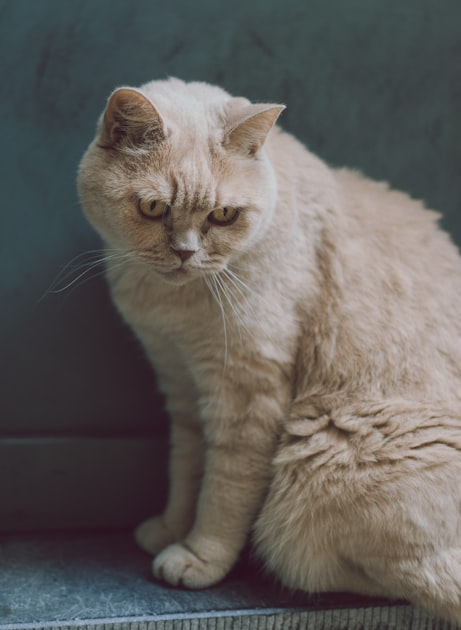
You notice your cat no longer jumps onto the kitchen counter where she used to watch you cook. She’s stopped greeting you on top of the refrigerator. The windowsill that was her favorite perch sits empty. She still gets onto the couch, but now she uses the armrest as an intermediate step rather than leaping up directly. When she does jump down from furniture, she lands heavily and hesitates before moving away.
These changes often happen so gradually that you don’t notice them until the behavior shift is significant. Your cat hasn’t suddenly become lazy or less interested in high places. She’s experiencing pain that makes jumping uncomfortable or impossible. Joint pain, particularly from arthritis, is the most common reason cats stop jumping or change their jumping behavior.
The challenge is that cats are masters at hiding pain. By the time jumping changes are obvious, your cat has likely been uncomfortable for weeks or months. She’s been quietly adapting her behavior to avoid activities that hurt, and you’re only now noticing the accumulated changes. This delayed recognition means many cats suffer unnecessarily with treatable pain conditions.
Understanding what joint pain looks like in cats, recognizing the subtle signs beyond jumping changes, knowing what treatment options exist, and implementing environmental modifications to help your cat helps restore quality of life and prevent further deterioration.
This guide explains why cats stop jumping, how to recognize joint pain, what conditions cause these problems, when veterinary care is needed, what treatments work, and how to make your home more comfortable for a cat with mobility limitations.
Understanding Normal Jumping Behavior
Before identifying problems, it helps to know what normal feline jumping looks like.
Normal Jumping Abilities
Height: Healthy adult cats can jump approximately 5 to 6 times their height. For an average cat about 10 inches tall at the shoulder, this means jumping 5 to 6 feet vertically with ease.
Distance: Cats can leap horizontally 6 to 8 feet without difficulty.
Frequency: Normal cats jump multiple times throughout the day accessing favorite spots, hunting (or playing), and exploring their environment.
Mechanics:
- Crouches slightly before jumping
- Pushes off powerfully with hind legs
- Lands softly on front paws first, then rear
- Moves away immediately without hesitation
Confidence: Normal cats jump decisively without hesitation, calculation, or apparent effort.
Age-Related Changes
Kittens and young adults (under 7 years): Peak jumping ability. Confident, powerful, frequent jumping.
Middle age (7 to 10 years): Still jumping well but may start showing subtle changes. Slight reduction in maximum height or preference for lower perches.
Seniors (10+ years): More obvious changes become normal. May need intermediate steps, choose lower perches, jump less frequently. However, significant difficulty or complete cessation is not normal aging and indicates pain or disease.
Important Distinction
Some reduction in jumping is normal with age, but obvious difficulty, complete avoidance of jumping, or dramatic behavior changes indicate medical problems requiring treatment, not just “normal aging.”
Joint Pain and Arthritis in Cats
Arthritis is the most common cause of jumping difficulties in cats.
What Arthritis Is
Osteoarthritis (degenerative joint disease) involves breakdown of cartilage in joints, causing bone-on-bone contact, inflammation, and pain.
How it develops:
- Normal wear and tear over time
- Previous injuries accelerating degeneration
- Obesity increasing joint stress
- Developmental abnormalities (hip dysplasia)
- Inflammatory processes
Prevalence
Arthritis is extremely common in cats:
- 60% of cats over 6 years old have arthritis in at least one joint
- 90% of cats over 12 years old show arthritic changes on X-rays
- Most cases go undiagnosed because cats hide pain effectively
Most Commonly Affected Joints
Elbows: Very common, affects front leg function and landing from jumps.
Hips: Common, affects pushing off for jumps and rear leg function.
Knees (stifles): Affects jumping power and landing.
Spine (particularly lower back): Creates stiffness affecting overall mobility.
Shoulders: Less common but affects front leg function.
Multiple joints: Most arthritic cats have multiple affected joints simultaneously.
Why Arthritis Stops Jumping
Pain with movement: Joint movement hurts. Jumping requires extreme range of motion in multiple joints simultaneously, making it particularly painful.
Stiffness: Arthritic joints are stiff, especially after rest. The explosive movement required for jumping becomes difficult.
Weakness: Pain causes muscle atrophy (wasting) around affected joints. Weaker muscles produce less jumping power.
Loss of confidence: Previous painful landings make cats hesitant and uncertain about jumping.
Inability: Severe arthritis makes jumping physically impossible regardless of the cat’s desire to jump.
Signs of Joint Pain in Cats
Jumping changes rarely occur in isolation. Multiple subtle signs usually accompany obvious mobility problems.
Mobility Changes
Reduced jumping:
- No longer accessing high perches
- Using intermediate steps (furniture, stairs) to reach heights
- Hesitating before jumping
- Attempting and failing jumps
- Jumping less frequently
Difficulty jumping down: Often more difficult than jumping up. Cats land heavily, stumble, or show obvious discomfort after landing.
Stiffness:
- Particularly noticeable after rest or sleeping
- Slow, careful movements upon waking
- “Warming up” with movement (improves slightly after moving around)
- Walking stiffly or carefully
Reduced activity:
- Less running or playing
- Shorter play sessions
- Avoiding activities that were previously enjoyable
- Sleeping more
Stairs:
- Taking stairs slowly
- One step at a time rather than bounding
- Avoiding stairs entirely
- Using front stairs but not back stairs (choosing easier routes)
Behavioral Changes
Personality changes:
- Less social interaction
- Irritability or grumpiness
- Aggression when touched (particularly on painful joints)
- Avoiding being picked up
- Withdrawing from family activities
Sleeping location changes:
- Choosing accessible ground-level spots
- Abandoning favorite high perches
- Sleeping in more easily accessible areas
- Less willingness to follow family members around the house
Avoiding interaction:
- Not greeting family members at the door
- Staying in one area rather than moving throughout the house
- Less likely to seek attention
Grooming Changes
Decreased grooming: Arthritic cats can’t twist into positions required for thorough grooming, particularly reaching the hindquarters.
Signs of poor grooming:
- Matted fur near tail and back legs
- Unkempt appearance
- Dull coat
- Dandruff
- Overgrown nails (less activity means less natural nail wear)
Litter Box Issues
Difficulty accessing the box:
- Eliminating just outside the box
- Not using covered boxes (climbing through entry is painful)
- Preferring low-sided boxes
- Accidents in the house
Not covering waste: Covering requires bending, turning, and digging movements that hurt arthritic cats.
Standing positions: Some arthritic cats develop unusual standing postures in the litter box because squatting is painful.
Changes in Posture and Gait
Hunched posture: Standing or sitting with a rounded back, particularly if spine is arthritic.
Shifting weight: Favoring one side or shifting weight off painful joints when standing.
Limping: Sometimes subtle, only visible after rest or during certain movements.
Bunny hopping: Using both rear legs together rather than alternating, often due to hip or knee pain.
Altered gait: Walking differently, more carefully, or with obvious stiffness.
Signs During Handling
Reluctance to be picked up: Pulling away when you reach for her, knowing that being lifted hurts.
Vocalizing when touched: Crying, hissing, or growling when painful areas are handled.
Aggression: Swatting, biting, or scratching when touched near painful joints.
Tensing: Body stiffens when certain areas are touched or joints are moved.
Other Causes of Jumping Difficulty
While arthritis is most common, other conditions affect jumping ability.
Obesity
Excess weight makes jumping mechanically difficult even without arthritis.
How obesity affects jumping:
- Extra weight requires more force to lift
- Additional mass makes landing harder on joints
- Reduced flexibility from fat mass
- Often accompanies arthritis (obesity accelerates arthritis development)
Signs:
- Visible overweight (ribs not easily felt, no waist, saggy belly)
- Usually affects all activities, not just jumping
- Often younger than typical arthritis age if obesity is the primary cause
Neurological Problems
Nerve damage or neurological disease affects coordination and strength.
Conditions:
- Spinal cord problems
- Nerve damage from injury
- Diabetes-related neuropathy (particularly affects rear legs)
- Brain tumors or other central nervous system disease
Signs:
- Weakness (particularly rear legs)
- Lack of coordination
- Dragging feet or knuckling over on paws
- Abnormal reflexes
- Sometimes accompanied by other neurological signs (disorientation, seizures, behavior changes)
Muscle Problems
Muscle weakness or atrophy reduces jumping power.
Causes:
- Age-related muscle loss (sarcopenia)
- Hyperthyroidism (increases metabolism, wastes muscle)
- Kidney disease (muscle wasting from chronic illness)
- Other chronic diseases
Signs:
- Visible muscle loss (thin legs, prominent bones)
- Overall weakness
- Weight loss
- Usually accompanied by signs of the underlying disease
Injuries
Acute injuries affect jumping ability.
Types:
- Sprains or strains
- Fractures
- Ligament tears (particularly cruciate ligament in knee)
- Bite wounds or abscesses
Signs:
- Sudden onset (arthritis is gradual)
- Obvious pain
- Possibly visible injury, swelling, or wounds
- Reluctance to bear weight on affected leg
Vision Problems
Cats rely heavily on vision for judging distances and landing spots.
Causes:
- Cataracts
- Progressive retinal atrophy
- Sudden blindness from retinal detachment or hypertension
- Age-related vision decline
Signs:
- Hesitant jumping
- Misjudging distances
- Bumping into objects
- Dilated pupils
- Changes in confidence, particularly in dim light
When to Seek Veterinary Care
Any persistent jumping changes warrant evaluation.
Schedule veterinary appointment if:
- Jumping ability has decreased noticeably
- Your cat shows any signs of stiffness or pain
- She’s stopped accessing previously favorite high spots
- You notice multiple signs from the lists above
- She’s over 7 years old (arthritis screening appropriate)
- Behavior changes accompany jumping difficulties
Seek same-day care if:
- Sudden inability to use one or more legs
- Obvious severe pain
- Visible injury or swelling
- Dragging legs or collapse
- Complete refusal to move
Don’t wait: Arthritis is progressive without treatment. The sooner pain is addressed, the better your cat’s quality of life. Early treatment also slows progression and prevents secondary problems like muscle loss.
Veterinary Diagnosis
Your veterinarian systematically identifies the problem and its severity.
History and Observation
Questions your vet asks:
- When did you first notice changes?
- What specific behaviors have changed?
- Has mobility progressively worsened?
- Any obvious injuries?
- What does a typical day look like for your cat?
Watching your cat move: Your vet observes how your cat walks, stands, and moves in the exam room.
Physical Examination
Orthopedic assessment:
- Palpating each joint for swelling, pain, or heat
- Testing range of motion (how far each joint bends and extends)
- Checking for crepitus (grinding sensation in arthritic joints)
- Comparing both sides of the body
- Muscle evaluation (checking for atrophy or asymmetry)
Neurological examination:
- Reflexes
- Proprioception (knowing where feet are in space)
- Coordination
- Strength
Overall health check:
- Body condition scoring
- Checking for other health problems
Pain Assessment
Cats hide pain, so veterinarians use specific assessment tools:
- Response to joint palpation
- Facial expressions
- Posture
- Movement quality
- Willingness to move
Radiographs (X-rays)
X-rays show bone and joint changes.
What X-rays reveal:
- Joint space narrowing
- Bone spurs (osteophytes)
- Increased bone density around joints
- Joint deformities
- Old fractures or injuries
- Severity and locations of arthritis
Limitations: X-rays show bone changes but don’t reveal everything. Early arthritis affects cartilage and soft tissues first, which don’t show well on X-rays.
Bloodwork
Checks overall health and identifies conditions contributing to mobility problems.
Tests:
- Complete blood count
- Chemistry panel (kidney and liver function, glucose, thyroid)
- Checking for diabetes, hyperthyroidism, kidney disease
Advanced Imaging
For complex cases:
- CT scans provide more detailed joint images
- MRI visualizes soft tissues, ligaments, and spinal cord
- Usually requires referral to specialists
Trial Treatment Response
Sometimes response to pain medication helps confirm diagnosis. Significant improvement on pain medication proves pain was limiting mobility.
Treatment for Joint Pain
Treatment combines multiple approaches for best results.
Pain Medications
NSAIDs (Non-Steroidal Anti-Inflammatory Drugs): Most effective for arthritis pain.
Options:
- Meloxicam (Metacam)
- Robenacoxib (Onsior)
How they work: Reduce inflammation and pain in joints.
Administration:
- Usually given once daily
- Oral liquid or tablets
- Long-term use requires monitoring
Monitoring: Regular bloodwork (every 6 to 12 months) checks kidney and liver function. NSAIDs are processed by these organs and long-term use requires monitoring for side effects.
When NSAIDs can’t be used: Cats with kidney disease often can’t take NSAIDs. Alternative pain medications become necessary.
Solensia (frunevetmab): Newer option specifically for cat arthritis pain.
How it works: Monoclonal antibody that blocks nerve growth factor, reducing pain signals.
Administration:
- Monthly injection given at the vet clinic
- No bloodwork monitoring required
- Safe for cats with kidney disease
- Relatively expensive
Effectiveness: Very effective for many cats with excellent safety profile.
Gabapentin: Treats nerve pain component of arthritis.
How it works: Affects how nerves transmit pain signals.
Administration:
- Usually 2 to 3 times daily
- Capsules or liquid
- Can cause sedation initially
Benefits:
- Good safety profile
- Can be used with NSAIDs
- Safe for cats with kidney disease
- Also reduces anxiety
Tramadol: Opioid pain medication sometimes used.
Other options:
- Buprenorphine (stronger opioid for more severe pain)
- Amantadine (NMDA receptor antagonist)
Joint Supplements
Glucosamine and chondroitin: Support cartilage health and may slow arthritis progression.
Omega-3 fatty acids (fish oil): Natural anti-inflammatory properties.
Adequan injections: Polysulfated glycosaminoglycans given as injections, may help joint health.
Important note: Supplements work best for prevention and early arthritis. They’re not substitutes for pain medication in cats with established painful arthritis.
Weight Management
Critical for overweight cats: Every extra pound increases stress on joints.
Safe weight loss:
- Veterinary-supervised diet plan
- Gradual loss (1-2% body weight per week maximum)
- High-protein, controlled-calorie food
- Measured portions
- No free-feeding
Benefits: Weight loss significantly reduces pain and improves mobility in overweight arthritic cats.
Physical Therapy and Rehabilitation
Gentle exercise: Low-impact movement keeps joints mobile without causing pain.
Massage: Gentle massage eases muscle tension around painful joints.
Range of motion exercises: Gently moving joints through normal range prevents stiffness.
Laser therapy: Low-level laser reduces inflammation and pain. Available at some veterinary clinics.
Acupuncture: Helps some cats with chronic pain.
Hydrotherapy: Swimming or underwater treadmill at specialized facilities.
Environmental Modifications
Making your home easier to navigate dramatically improves quality of life.
Ramps and steps:
- Pet stairs or ramps to furniture and beds
- Carpeted or non-slip surfaces
- Gentle inclines
- Sturdy construction
Litter box modifications:
- Low-sided boxes for easy entry
- Larger boxes for comfortable positioning
- Multiple boxes (one on each floor)
- Place in accessible locations
Food and water accessibility:
- Place on easy-to-reach surfaces
- Multiple feeding stations if multi-level home
- Elevated bowls reduce neck strain
Comfortable bedding:
- Orthopedic beds
- Heated beds (warmth helps stiff joints)
- Soft, supportive surfaces
- Ground-level locations
Non-slip surfaces:
- Rugs or runners on slippery floors
- Yoga mats on furniture for better traction
- Carpet on ramps and steps
Lower perches:
- Provide alternative low-level perches
- Window beds at ground level
- Cat trees with low platforms
Maintaining Activity
Gentle play:
- Short, frequent play sessions
- Interactive toys at ground level
- Wand toys that don’t require jumping
- Encourage movement without pain
Mental stimulation:
- Puzzle feeders
- Food-dispensing toys
- Training sessions
- Environmental enrichment
Grooming Assistance
Regular brushing: Help your cat maintain coat quality when she can’t groom properly herself.
Nail trimming: More frequent trimming needed since less activity means less natural wear.
Professional grooming: For long-haired cats, professional grooming prevents mats.
Monitoring Progress
Track your cat’s response to treatment.
What to Watch
Improvement signs:
- More willing to move around
- Attempting to jump or successfully jumping
- Increased playfulness
- Better grooming
- Normal litter box use returning
- Less stiff movement
- More social interaction
Lack of improvement:
- No behavior changes after 7 to 14 days of treatment
- Continued difficulty with mobility
- Progressive worsening
Side effects:
- Vomiting or diarrhea (from medications)
- Changes in appetite
- Increased thirst or urination
- Lethargy
Communication with Your Vet
Report:
- Response to treatment
- Any side effects
- Questions or concerns
- Whether you think pain is adequately controlled
Adjustments: Your vet modifies medications, adds treatments, or changes approaches based on your cat’s response.
Long-term Management
Regular monitoring:
- Periodic bloodwork if on NSAIDs
- Weight checks
- Medication refills
- Adjusting doses as needed
Realistic expectations: Arthritis is progressive and incurable. Treatment manages pain and slows progression but doesn’t reverse existing damage. The goal is maintaining quality of life and comfort.
Quality of Life Assessment
Regularly evaluate whether your cat’s quality of life is acceptable.
Good Quality of Life Indicators
- Comfortable (not showing obvious pain)
- Eating normally
- Interacting with family
- Showing interest in surroundings
- Able to reach food, water, and litter box
- More good days than bad
Poor Quality of Life Indicators
- Constant pain despite medication
- No interest in food
- Withdrawal and isolation
- Unable to access basic needs
- More bad days than good
- Loss of personality
Have Honest Conversations
If pain isn’t adequately controlled despite aggressive treatment, quality of life discussions with your veterinarian become important. The goal is always your cat’s comfort and dignity.
Frequently Asked Questions
My senior cat has stopped jumping. Is this just normal aging?
No, significant jumping difficulty is not normal aging. While some reduction in jumping height and frequency is normal in very senior cats, complete cessation of jumping or obvious difficulty indicates pain, usually from arthritis. “Just old age” shouldn’t be an excuse for untreated pain. Senior cats deserve pain management just as much as younger cats. Have your cat evaluated. Most show dramatic improvement with appropriate pain treatment.
Can arthritis be cured, or will my cat always need medication?
Arthritis cannot be cured. It’s a progressive degenerative condition. However, it can be very effectively managed with ongoing treatment. Most arthritic cats need long-term pain medication to maintain comfort and mobility. Some cats require adjustments over time as arthritis progresses, but many maintain good quality of life for years with consistent pain management. The key is viewing arthritis as a chronic condition requiring ongoing care, not a problem that gets “fixed” and goes away.
How do I know if my cat is in pain if she’s not crying or limping?
Cats rarely vocalize pain or limp obviously. Instead, watch for behavioral changes: decreased activity, reluctance to jump, stiffness after rest, sleeping more, avoiding interaction, poor grooming, litter box problems, personality changes, or withdrawal. If you see these changes, assume pain is present even without crying or limping. Trial pain medication can be diagnostic; if mobility and behavior improve dramatically on medication, pain was definitely affecting your cat.
Is it safe to give my cat pain medication every day long-term?
Yes, with appropriate monitoring. Modern pain medications for cats are designed for long-term use when necessary. NSAIDs require periodic bloodwork (every 6 to 12 months) to monitor kidney and liver function. Medications like Solensia and gabapentin have excellent safety profiles even with long-term use. The risks of untreated pain (muscle loss, further joint damage, poor quality of life, behavioral problems) far outweigh the risks of appropriately monitored pain medication.
Will losing weight really help my cat’s arthritis?
Absolutely. Weight loss is one of the most effective treatments for arthritis in overweight cats. Every extra pound puts significant stress on joints. Studies in dogs show that losing even 10% of body weight dramatically reduces arthritis pain and improves mobility. The same applies to cats. For an overweight cat, weight loss should be a primary treatment focus alongside pain medication. Many cats require less medication or show significant improvement once reaching healthy weight.
My cat seems to do worse in cold weather. Is this real or my imagination?
This is real. Many arthritic cats show worsened symptoms in cold, damp weather, just like humans with arthritis. Cold temperatures make joints stiffer and more painful. You can help by providing heated beds, keeping your home comfortably warm, and ensuring your cat has warm places to rest. Some owners find their cats need slightly higher pain medication doses or more frequent dosing during winter months.
What if pain medication doesn’t seem to be working?
Several possibilities: the dose might not be adequate, your expectations might be unrealistic (medication reduces pain but doesn’t return a 15-year-old to kitten mobility), or a different medication might work better for your cat. Some cats need combination therapy (NSAID plus gabapentin, for example). Contact your vet about lack of improvement. They can adjust doses, add medications, or try different approaches. Don’t suffer in silence assuming nothing more can be done.
My cat is only 5 years old but not jumping well. Is arthritis possible at this age?
Yes, though less common than in older cats. Young cats can develop arthritis from previous injuries, developmental joint problems (hip dysplasia), obesity, or other factors. Additionally, conditions other than arthritis can affect jumping: obesity alone, neurological problems, muscle weakness, or injuries. Any cat showing jumping difficulties at any age deserves veterinary evaluation to identify and treat the cause.